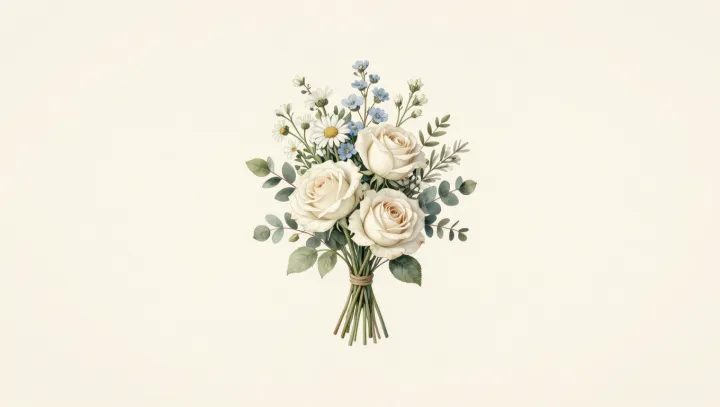
Why blue and white flowers glow on warm paper

Warm, rough paper can make white and blue flowers look more vivid because the visual system boosts edge contrast, not absolute color, using lateral inhibition and color opponency.

Warm, rough paper can make white and blue flowers look more vivid because the visual system boosts edge contrast, not absolute color, using lateral inhibition and color opponency.

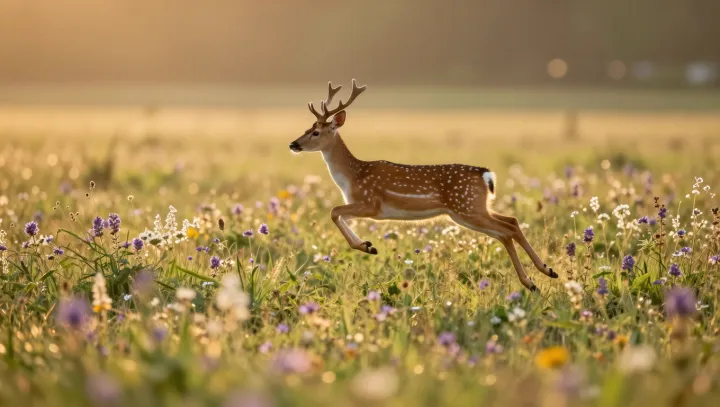
A young deer’s leap is not a paradox of power and camouflage but a tight engineering compromise built from tendon recoil, muscle fiber mix, and neural control.
2026-08-24

A tiny fjord village appears fragile under a huge cliff, yet glacial physics, tsunami modeling, and strict hazard zoning explain why it can exist with managed, not illusory, safety.
2026-08-31

A stripped‑down look at avalanche mechanics explains why a bare, wind‑scoured summit can be safer than the tempting powder slopes and terrain traps far below.
2026-08-24

Seabirds return to the same tiny cliff ledge with striking accuracy, guided by magnetoreception, olfactory maps and star cues that scientists still cannot fully explain.
2026-08-31

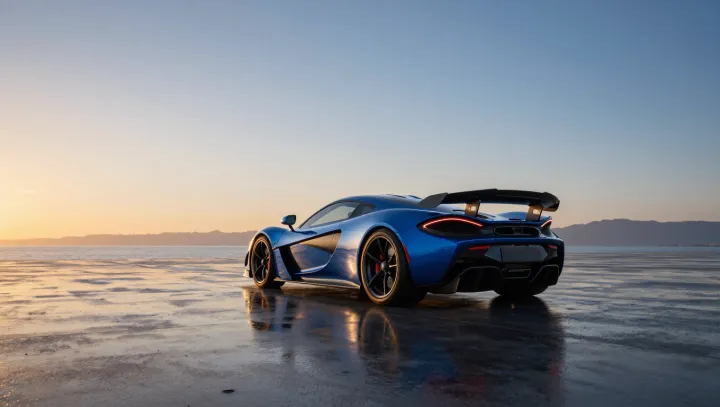
Bright blue supercars can look nearly black at sunset because rods overpower cones in low light, exposing how human vision misjudges color when illumination shifts toward red.
2026-09-04

A near-empty living room, stripped to light, a low sofa and one textured rug, can register as more luxurious than rooms filled with expensive pieces, by amplifying proportion, silence and sensory focus.
2026-09-04

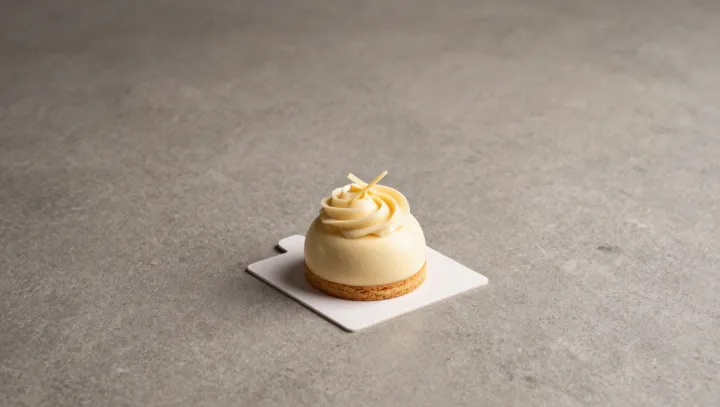
A tiny whipped-cream swirl survives for hours because pastry chefs exploit fat crystallization, phase transitions, and controlled aeration to build a microscopic scaffold around trapped air.
2026-08-28

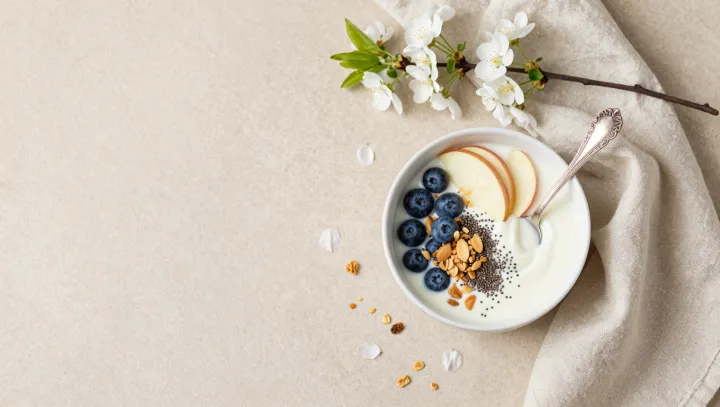
A cafe-style yogurt, granola and fruit bowl looks sugary, yet its mix of protein, fat, fiber and texture slows gastric emptying and glucose absorption, softening blood-sugar peaks.
2026-08-24

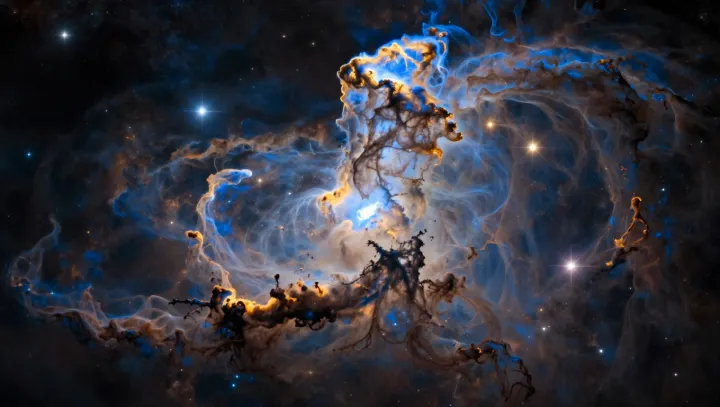
Cold, dense dust pillars inside bright nebulae act as insulated cradles where gravity, radiation pressure, and magnetic fields combine to ignite some of the hottest, most massive young stars.
2026-09-04

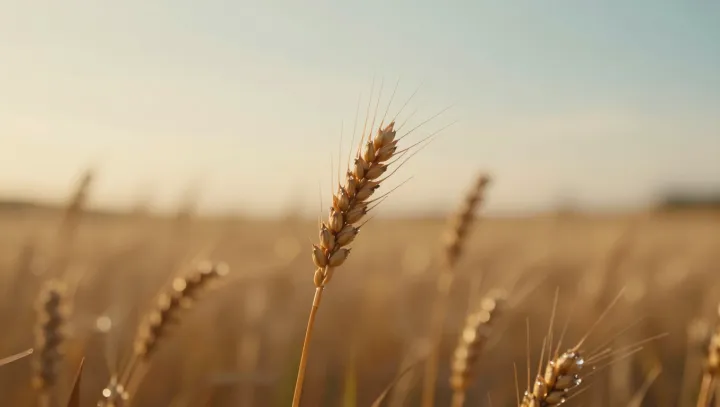
Dewdrops on dry grass act as near‑perfect spherical microlenses, using refraction, total internal reflection and imaging geometry to split and focus sunlight into sharp miniature spectra.
2026-09-03