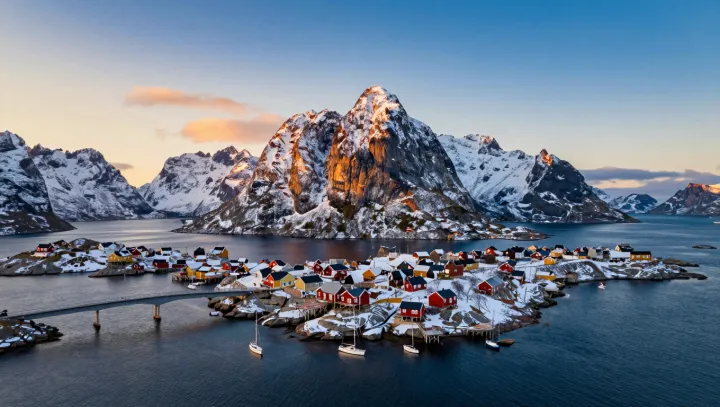
The mismatch is the point. A village can cling to sea level while the mountains behind it surge upward because rock and water obey different rules. Deep beneath the shoreline, convergent plate motion forces crust to thicken, driving rapid uplift and orogeny that raise the snow line into the last light of the day.
Stranger still, the coast barely budges. Waves plane off each tiny gain, wave-cut platforms grind cliffs back, and fluvial incision ferries debris seaward so efficiently that mean shoreline elevation hovers near zero. Where glacial isostatic adjustment and flexural isostasy push the crust up, marine erosion and sediment compaction answer back, keeping harbors and houses at roughly the same vertical reference.
The real drama sits in the relief. High precipitation feeds rapid mechanical weathering, rockfall and debris flows, stripping uplifted rock almost as fast as tectonics deliver it, so the ridge crest rises in spurts while the foot of the slope is trimmed and reset. In that single sunset frame, the village marks the fluid datum of mean sea level, and the bright ridgeline behind it exposes the violent, uneven arithmetic of plate convergence and denudation.