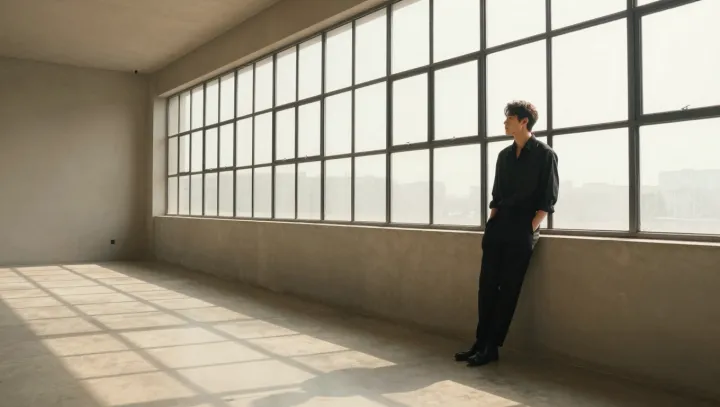
Low sun makes muted menswear look smarter than any tailor can. Warm, low-angle light hits from the side, exaggerating micro shadows along lapels, seams and jawlines; in optics terms, it increases local luminance gradients, which the visual cortex reads as sharper edges and cleaner structure.
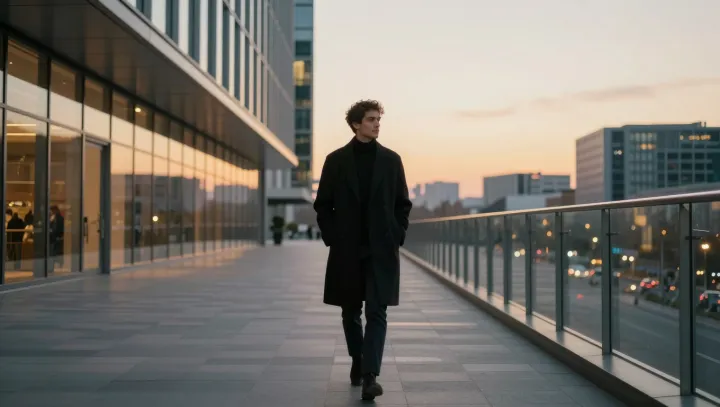
More striking still is the city itself acting as an amplifier. Glass curtain walls turn into giant softboxes and secondary emitters, bouncing warm light back at the figure while preserving directional bias; that mix of diffuse reflection and specular highlights boosts figure–ground separation, so a grey jacket suddenly pulls free from a similarly grey street.
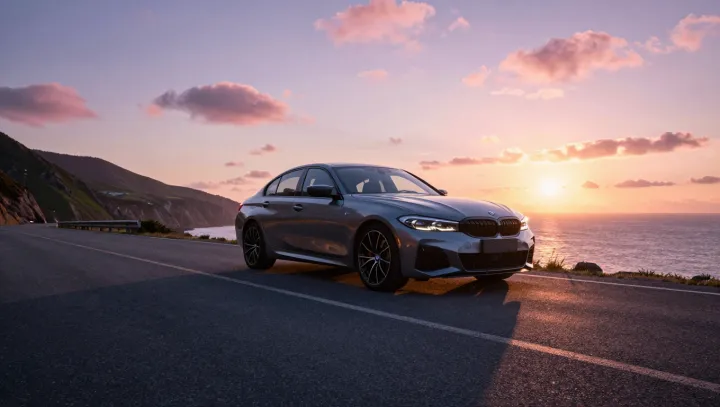
At noon the physics work against him. Overhead solar geometry flattens relief, kills cast shadows, and compresses dynamic range, so even good tailoring loses apparent depth. At sunset, by contrast, elongated shadows, higher contrast ratios and a warmer correlated color temperature do the styling for him, no rebranding or new wardrobe required.