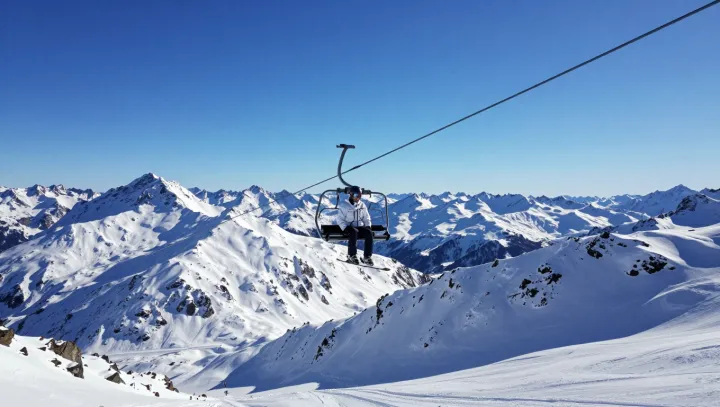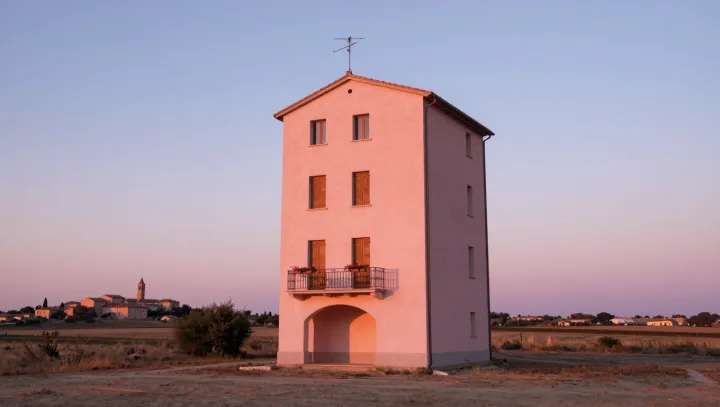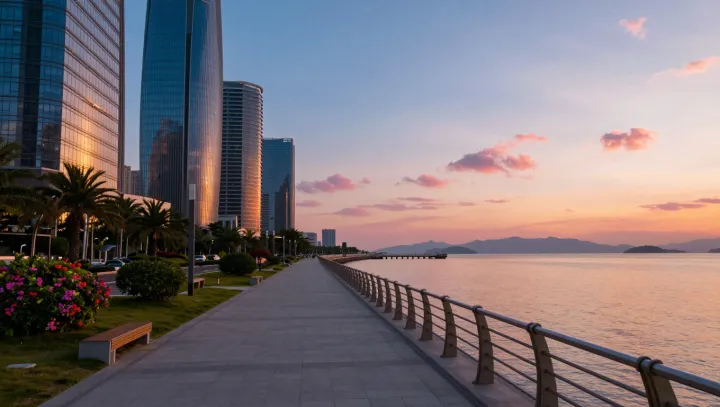
Glass near saltwater cheats the senses first, then the instruments catch up. Along the shoreline, reflective facades kick solar radiation back toward darker pavements and water, creating tight pockets of higher surface temperature while indoor thermostats hold their steady illusion of control. Behind that calm readout, convective cells, sea-breeze fronts and boundary-layer turbulence reorganize around the warm slabs of curtain wall and concrete core, nudging humid air upward and sideways in patterns that weather models still struggle to resolve at street scale.
The greater shock sits in the sky. Those mirrored planes act like a false horizon for migratory birds, and radar ornithology now shows altered flight corridors and dense collision clusters aligned with coastal skylines. Polarized radiance from the glass-water combo mimics the optical signature of open sea, a classic case of ecological trap amplified by building geometry and glazing index. Perception is fooled again at dusk, when aerosol scattering meets reflected low-angle light; sunsets skew toward sharper contrasts and unexpected bands of magenta and teal, while inside the offices, dimmable LEDs flatten every hint that the outside spectrum has been quietly rewritten.