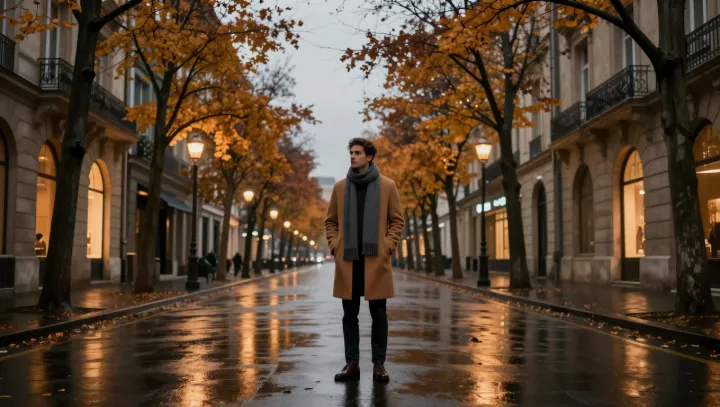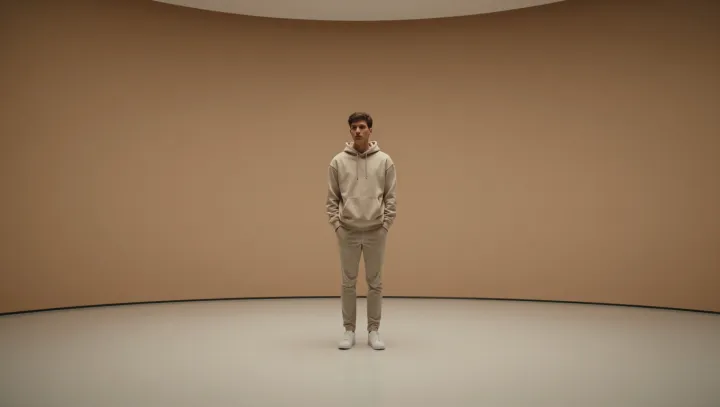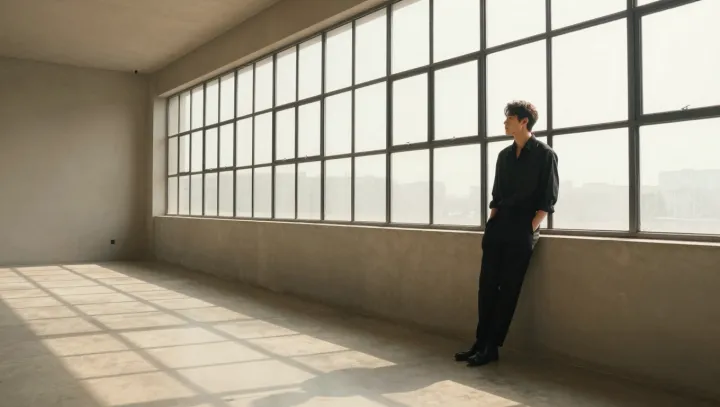
A single strip of light across an empty hallway can feel more honest than a crying close-up. Harsh, maybe, yet perception research quietly backs it. Human vision reads emotion not as isolated anatomy but as a full spatial configuration, where luminance, depth cues and motion vectors shape meaning before conscious thought even starts.
That thin shaft of sunlight does not just brighten dust. It sketches an axis through the corridor, turning architecture into a kind of emotional coordinate system in which a slouched silhouette, a hesitant step length, and micro-pauses in gait trigger pattern recognition in the observer’s visual cortex long before any facial action unit is decoded. Faces, trained by social display rules, often lie; posture and pacing, distributed across the scene, leak unscripted affect.
Cinematographers quietly exploit this asymmetry. They trust chiaroscuro lighting, occlusion, and negative space to externalize inner states that actors’ eyebrows cannot safely carry without sliding into cliché. In that quiet hallway, the bright bar on the floor marks where a person chooses to stop, cross, or avoid, turning a simple change in exposure into a map of approach, retreat, and indecision.