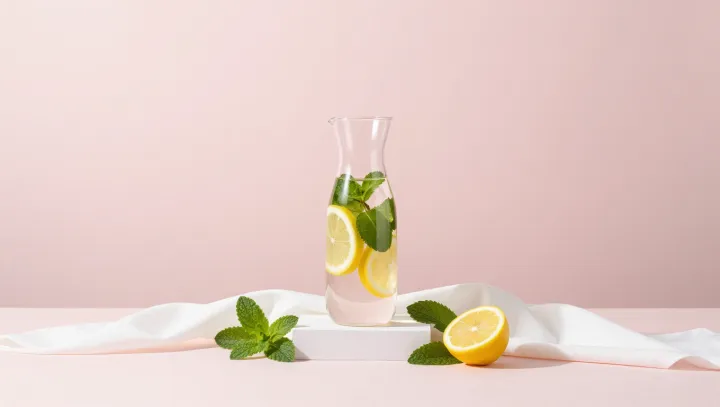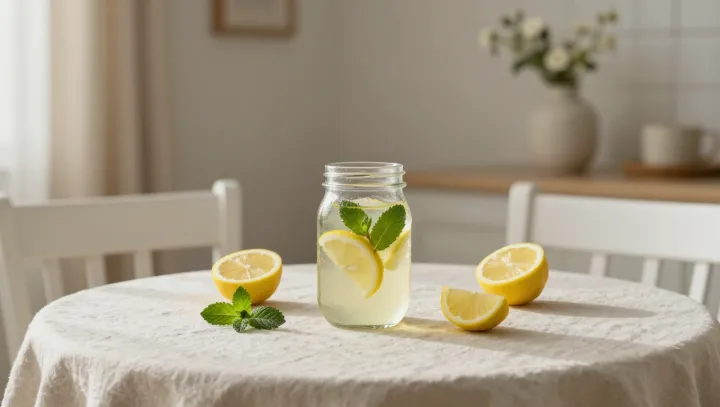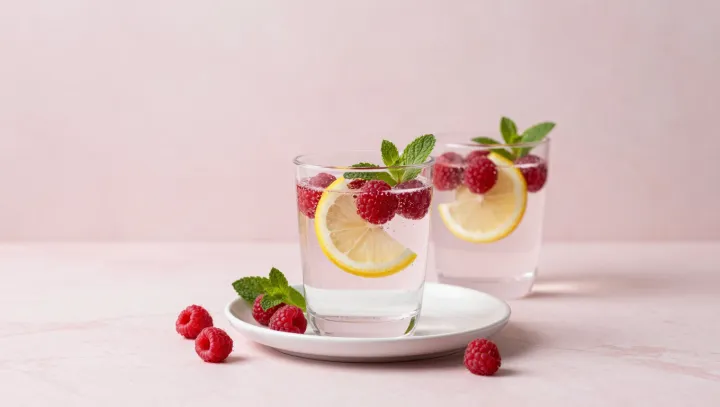
Raspberry–citrus–mint water does something soda never will: it gets out of the liver’s way. The organ already runs phase I and phase II detoxification, using enzymes like cytochrome P450 and glutathione conjugation, but it does so under whatever metabolic chaos you hand it. Soda adds chaos. Fast.
The swap strips out a dense sugar infusion and carbonated acid load, so hepatic metabolism stops chasing surges in fructose and glucose and can allocate more capacity to xenobiotic clearance and lipid handling instead. Insulin spikes flatten. Nonalcoholic fatty liver disease risk markers track with that pattern. A flavored water built from fruit slices and herbs carries negligible calories and almost no glycemic load, yet it still nudges fluid intake higher because it tastes like something, not obligation.
Kidneys also benefit from boredom. They filter blood through glomerular filtration and tubular reabsorption every minute; what they do not need is recurring osmotic stress from high sugar and sodium in soda. Lower solute burden means less work to maintain plasma osmolality and acid–base balance, which shows up as steadier urine output and fewer swings in serum electrolytes. That is not mystical detox. It is workload management for organs that already do the cleaning.