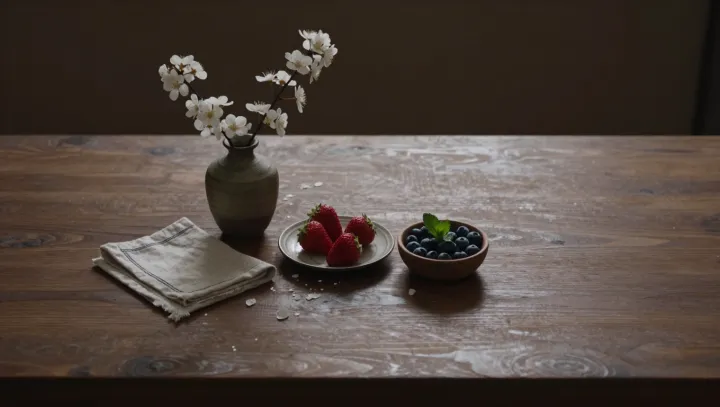
A plain wooden table can act like a switch for your nervous system. Not metaphorically. Through associative learning, the brain can tie that surface, that steam, that scent to a predictable shift from threat response to steady attention.
The claim is blunt: ritual beats willpower. When the same steps repeat each day, sensory cues start to co‑activate specific neural pathways. Warm ceramic against skin, the faint grain under your fingertips, the sound of water hitting leaves; over time these signals begin to predict a safe, bounded task. The amygdala dials down autonomic arousal, while the prefrontal cortex and dorsal attention network gain space to operate. Cortisol drops more easily when the body anticipates no demand for rapid action, only quiet preparation.
More radical is this: the tea is less important than the table. Consistency of setting strengthens Hebbian plasticity, the “cells that fire together wire together” rule that underpins conditioning. Each time you brew in that same spot, stress circuitry pairs with the start of the ritual, and focus circuitry pairs with the moment you sit, cup in hand, eyes on one task. Over dozens of repetitions, the wooden surface, the aroma and the sequence of motions together become a prompt that tells your brain, without debate, what mode to enter.