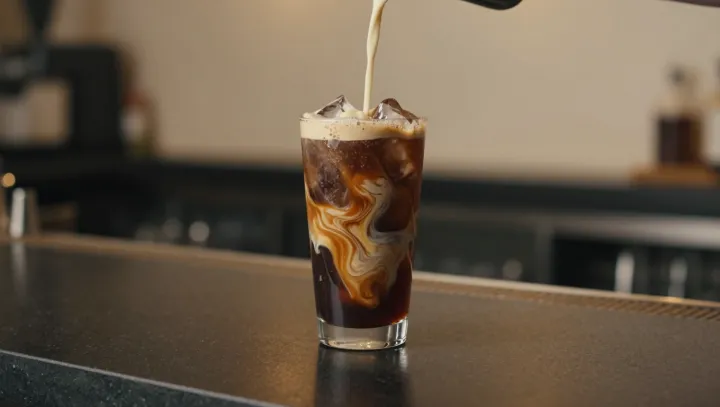
The glass tells a persuasive lie. Beads of condensation promise speed, and the first swallow delivers it: cold liquid can feel like an immediate reset. Yet below that clean sensory jolt, the stomach may move at a less eager pace, holding chilled fluid longer than a warm drink under certain conditions.
The physiological claim deserves restraint. Gastric emptying is not a simple drain; it is a negotiated release governed by antral contractions, pyloric resistance, liquid volume, calorie density, and osmolality. Temperature can alter gastric motility for a short interval, which may delay passage from stomach to small intestine. But the effect is not a universal verdict against ice. A sweet shake, a fatty drink, or a large serving can slow emptying far more than temperature alone, while the body rapidly warms what enters it.
The common assumption is backwards. Refreshment belongs mostly to the mouth, throat, and sensory nerves; stomach transit follows a different ledger. For athletes, diners, and anyone nursing nausea, the useful choice is practical rather than doctrinal: test comfort, portion size, and drink composition before blaming the ice. The cold glass remains persuasive, but the stomach keeps its own counsel.