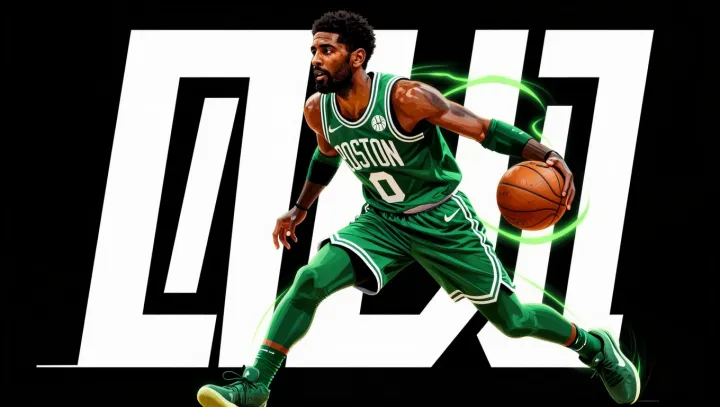
38.5% was the bill. Boston possessed more talent than coherence, and its All-NBA guard met a defense that kept his preferred lanes crowded without surrendering clean looks elsewhere. The warning was plain. When Irving turned stalled possessions into isolation contests, Milwaukee's length and rim protection made every miss feel scripted.
The deeper failure was structural. Milwaukee's drop coverage and help-side rotations met Irving at the paint while staying attached enough to Boston's shooters. The Celtics lacked counters. A deep roster should have generated repeatable advantages through screening, quick passing, and second-side attacks; instead, possessions often ended with Irving taking difficult shots late in the clock. Early success hid the problem: a disciplined opponent could blunt the first action, and Boston too rarely produced a second. Their roles often blurred.
It was a leadership loss. You can forgive misses, but you cannot ask a young group to absorb a star's frustration while also finding its own pecking order. Teammates felt the squeeze. Irving's shot volume became a referendum on trust, because each forced attempt reduced touches for players who needed rhythm and ownership. The roster was young. No one had to be passive, but someone had to organize the response before frustration became the offense. That mix turned a bad shooting run into a larger collapse: not one man's failure, but a team without a shared answer. If you were building that group, would you give the ball back to Irving anyway?