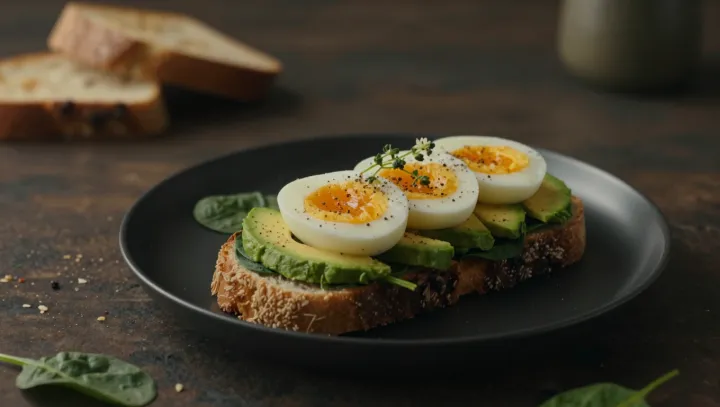
Avocado earns its place on breakfast toast for more than its texture. Its fat helps the body absorb carotenoids from spinach, turning a pairing of creamy fruit, crisp bread and tender boiled egg into a lesson in how ingredients work together. Taste is only half the story.
The chemistry favors company. Carotenoids, including lutein, zeaxanthin and beta carotene, are fat soluble: they need to join forces with dietary fat before they can be absorbed efficiently. During digestion, bile helps disperse fat, and the resulting compounds help form micelles, tiny assemblies that carry carotenoids through the watery environment of the intestine to its absorptive cells. Without much fat in the meal, less of those pigments may make the journey. Spinach supplies the pigments; avocado supplies fat that can help carry them.
The egg is no mere garnish. Its yolk contributes fat as well as lutein and zeaxanthin, while the white supplies protein; together they make the toast more substantial without requiring a separate supplement. Gentle cooking can soften spinach and help release carotenoids from its plant cells, though raw leaves can still contribute them. Absorption varies with the meal and the individual, so no particular increase should be assumed from a slice of avocado. What looks like a casual stack is also a quiet negotiation between leaf, fat and the body that receives them.