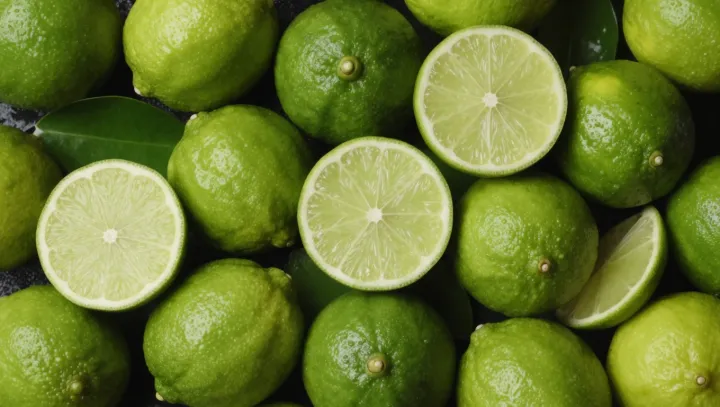
Lemon and lime are not interchangeable accents. Both owe much of their sourness to citric acid, but acid alone cannot explain the difference between a lime squeezed over tacos and a lemon stirred into a sauce. The distinction lies largely in what reaches the nose, not just what touches the tongue.
Aroma does the heavy lifting. Volatile compounds escape from the juice and peel, reaching receptors in the nose as we eat and drink. Lemons are associated with citral, a mixture of compounds that gives a characteristic lemon scent; lime aroma draws on a different mixture, including terpenes and other volatile molecules. The proportions matter. Variety, ripeness and storage can change that mixture, so no single molecule tells the whole story. Peel oils add another layer: zest carries concentrated aromas that juice alone cannot supply.
Substitution has a price. Lemon can bring a rounded brightness to a butter sauce or a glass of water, while lime lends its distinctive aroma to salsa, cocktails and marinades. Both can supply acidity, but their bitterness, aroma and perceived sourness may differ, and those differences become conspicuous when citrus is the main flavor. A swap can still work: add the juice gradually, taste, and adjust other ingredients rather than assuming equal amounts will produce the same result. In a dish built around citrus, the choice is less like changing the volume than changing the voice.