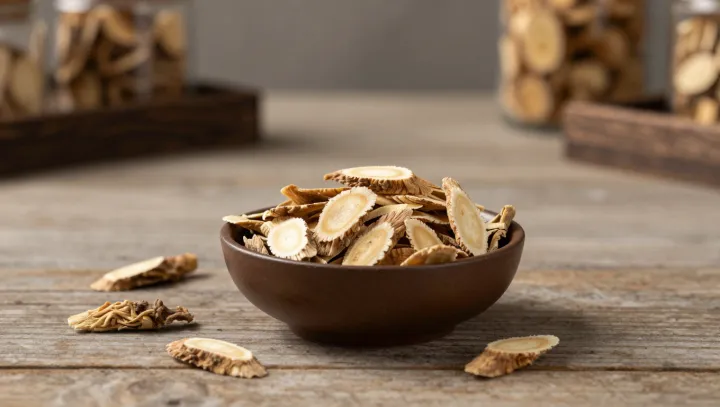
Dried roots, shriveled berries, and pale insect‑like stalks sit in glass jars, promising vitality and focus while hiding a quiet identity crisis. Many of the most coveted Chinese herbs, from ginseng to goji berries and cordyceps, now share their shelves with cheap botanical stand‑ins that mimic their color, shape, and even fragrance.
To the casual buyer, dried ginseng slices with visible growth rings and a faintly sweet aroma look convincing, yet starch‑rich roots from other species can be carved to similar profiles. Goji berries offer little more certainty: surface wrinkles, hue, and stickiness shift with drying curves and storage humidity rather than with species, while volatile compounds blur subtle scent cues. Cordyceps may be the hardest test of all; imitations match the thin fruiting body and hollow interior, and surface texture changes under handling, defeating simple touch‑based checks.
Laboratory tools now undercut the myth that trained eyes and noses are enough. Microscopic examination of xylem patterns, high‑performance liquid chromatography tracing ginsenosides and polysaccharides, and DNA barcoding of mitochondrial and chloroplast markers expose substitutions that sensory inspection misses. As the economic marginal effect of real versus fake herbs widens, pharmacopoeia standards and supply‑chain audits increasingly treat human perception as a first filter only, and not the final gatekeeper of value.