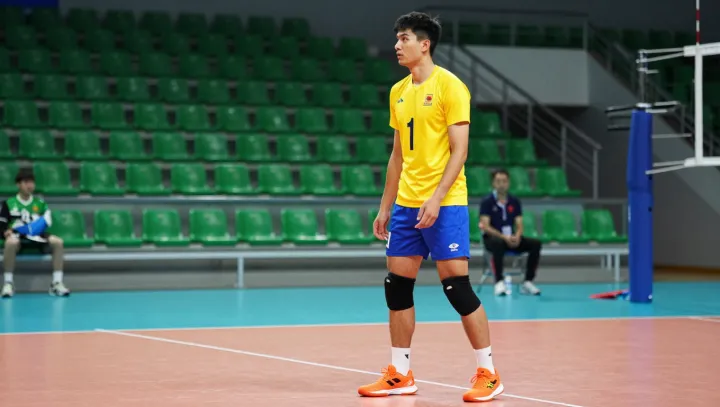
A crowded court can act as a live laboratory for the brain, not just a space for cardio. Every possession forces rapid perception, prediction and choice, asking neural circuits to process moving bodies, ball trajectories and score context in fractions of a second.
Sports scientists increasingly describe basketball as a naturalistic training ground for executive function, the set of processes that includes working memory, cognitive control and inhibitory control. Instead of static drills, the game delivers continuous sensory input, variable reward and social pressure, conditions known to drive synaptic plasticity and neuroplasticity. Players read angles, estimate probabilities and cancel impulsive moves while fatigue shifts basic metabolic rate and forces more efficient neural resource allocation.
Unlike isolated brain games, a full-court run couples decision cost with physical risk and reward: a late pass can mean a turnover, a mistimed cut can mean a collision. That tight coupling appears to sharpen reaction time and choice accuracy without explicit instruction, turning routine pickup sessions into unscripted experiments in risk assessment and entropy management within the brain’s signaling networks.