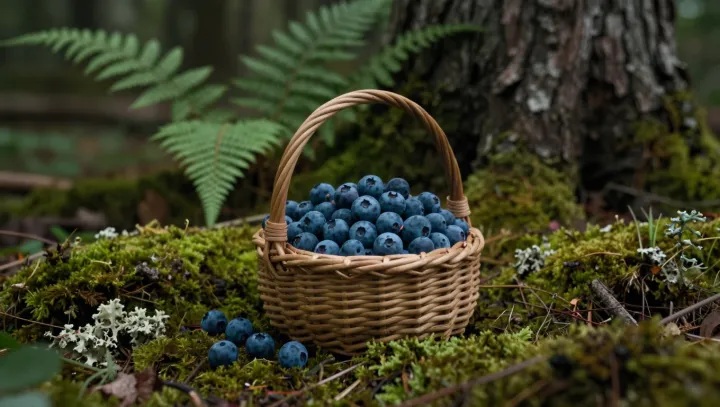
A small freeze-dried berry drifting in microgravity became an early mascot of the superfood era long before influencers discovered smoothie bowls. Its dense purple color comes from anthocyanins, a class of polyphenols that can cross the blood–brain barrier and interact with neuronal signaling rather than simply tinting your breakfast.
The “queen of fruits” branding rests on three main biological claims: sharper thinking, clearer vision, and more resilient blood vessels. In the brain, studies report modest improvements in working memory and processing speed, likely linked to reduced oxidative stress and low-grade neuroinflammation as well as changes in synaptic plasticity. In the eye, the same pigments accumulate in the retina and choroid, where they appear to support photoreceptor function and microcirculation, although effect sizes remain small and protocols heterogeneous.
For the cardiovascular system, controlled trials point to slightly improved endothelial function, lower arterial stiffness, and minor shifts in blood lipid profiles, consistent with better nitric oxide bioavailability and less oxidative damage to low-density lipoproteins. Yet dose, preparation, and baseline diet all shape the marginal effect, and many studies are short, underpowered, or industry-funded. The berry that once hitched a ride into orbit is not nutritional magic; it is a concentrated source of bioactive molecules whose real impact still depends on the messy metabolism of an entire human body.