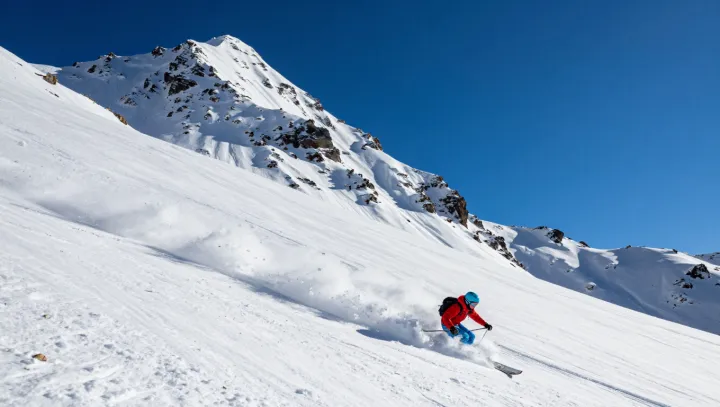
A carved turn at full speed starts its life at walking pace. In high level instruction, the focus shifts from chasing velocity to refining what coaches call edge control, the exact way a ski engages and releases from the snow. That slow, almost clinical work looks disconnected from dramatic, high angle arcs, yet it is the precondition that makes them possible.
The physics is unforgiving. At speed, centripetal force and gravitational load stack into high g forces, so any error in edge angle or pressure distribution is amplified. By working in slow motion, skiers can tune weight transfer, timing and fore aft balance while the forces are still manageable. This is where proprioception, the internal sense of joint position, is calibrated with the ski’s sidecut and torsional stiffness, turn after turn.
Motor learning research shows that precise, low speed repetition builds stable neuromuscular adaptation rather than fragile habits that collapse under stress. Micro adjustments in ankle flexion, hip angulation and rotary control are programmed into procedural memory. When pace increases, those patterns run automatically, freeing attention for line choice and terrain reading instead of basic survival.
That is why elite coaches talk less about going fast and more about clean carving and pressure management. The dramatic image of a racer laid over at a high edge angle is not a separate skill set; it is the same slow drill, exposed to higher kinetic energy and higher shear forces. What once felt like tedious micro control becomes the quiet system that holds everything together when the mountain stops feeling slow.