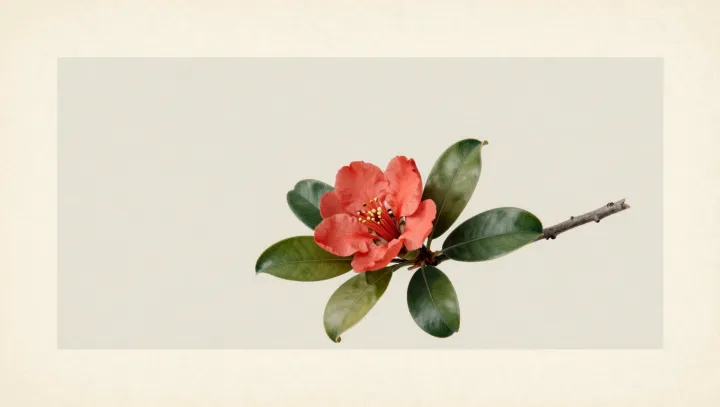
Pale trumpets hang slack in the humid dark, then snap open with the first usable light. By midday they fold in on themselves again, right after their main pollinators have finished feeding. This tropical vine, a relative of the sweet potato often called a morning glory, runs on a tightly wired daily schedule that looks almost mechanical from the outside.
Inside each flower, a circadian clock built from oscillating gene networks sets the timetable. This internal timekeeper, comparable to a background process in a computer but driven by transcription–translation feedback loops, anticipates dawn rather than simply reacting to light. Light receptors and temperature-sensitive proteins feed data into that clock, which then modulates plant hormones such as auxin and abscisic acid to control when petals soften, swell, and finally collapse.
Petal cells adjust turgor pressure and cell wall elasticity in a controlled bout of biomechanics. When ion pumps shift potassium and other solutes, water rushes in, the cells expand, and the trumpet unfurls. Later, programmed cell death and changes in osmotic potential pull the structure shut. Studies of nectar secretion and visitation rates show that peak nectar flow coincides with the hours when bees and other diurnal pollinators are most active, creating a tight alignment between floral display, resource availability, and animal behavior.
Over evolutionary time, natural selection acted as an optimization algorithm, favoring vines whose opening and closing patterns maximized successful pollen transfer while minimizing wasted metabolic energy. Mutations that slightly advanced or delayed the floral clock shifted reproductive success, gradually tuning gene circuits and tissue responses. The result is a living interface that treats time itself as a design parameter, turning a fragile trumpet of tissue into a precisely scheduled rendezvous point between plant and pollinator.