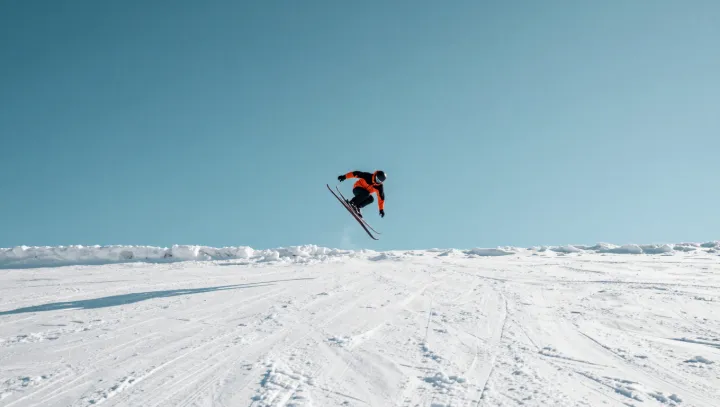
Impact with snow, not the first rush of speed, sets the real terms of skiing. When experts insist that beginners learn how to fall and stop before chasing fast descents, they are prioritizing risk management over adrenaline. Gravity is non‑negotiable; the only variable a new skier can truly influence is how their body meets the ground and how quickly they can shut a run down.
Coaches talk in the language of biomechanics and impulse when they slow a class to practice low‑speed tumbles and controlled hockey stops. A deliberate fall with bent joints, relaxed muscles, and skis kept downhill spreads force over time and surface area, reducing peak load on ligaments and spinal discs. In contrast, an untrained beginner who focuses on speed first tends to stiffen, twist, and dig an edge at the wrong angle, multiplying torque through the knee and turning a minor slip into a serious injury. Learning to stop efficiently also changes risk calculus: if you can scrub velocity in a few meters, crowded slopes, hidden ice, and sudden obstacles become manageable variables instead of existential threats.
There is a psychological feedback loop at work as well. When a skier knows they can fall without panic and arrest motion on command, fear no longer drives their decisions; attention can shift to edging, pressure control, and line choice. Speed then emerges as a by‑product of technical competence and controlled exposure to risk, not as a reckless target. The mountain remains the same, but the skier’s relationship to it becomes less about escape velocity and more about negotiated control.