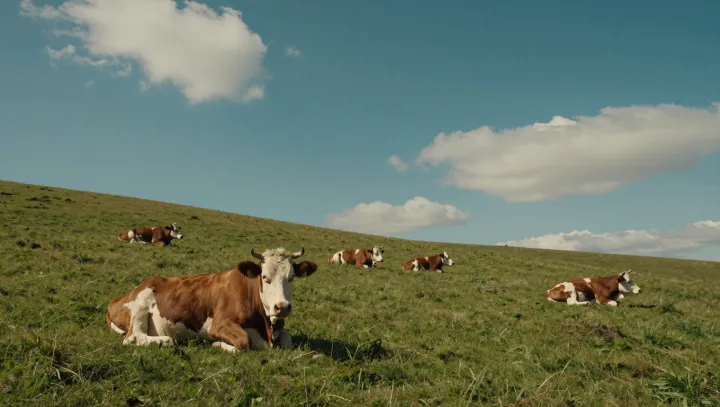
A modern dairy cow is less a barnyard animal than a living production line tuned for lactation. From a body built to feed one calf, breeders and scientists have extracted milk yields that would once have signaled pathology, not progress. That transformation rests on three levers: genes, nutrients, and measurement.
Genetic selection turned milk output into the dominant trait long before the molecular tools arrived. First came simple culling and record books; then artificial insemination concentrated a narrow set of high-yield sires across continents. With genomic selection and single nucleotide polymorphism chips, breeders now rank bulls by polygenic indexes for milk volume, fat, protein, and udder health, pushing lactation physiology toward sustained, near continuous secretion.
The feed strategy is even more radical. High-yield cows are essentially metabolic athletes whose rumen microbiota are trained with carefully balanced energy density, bypass protein, and neutral detergent fiber. Ration formulation uses models of glucose and amino acid flux to hold negative energy balance within tolerable limits, while additives such as buffers and protected fats shield the gut and liver from the stress of chronic high output.
Yet without precision management, the whole design collapses. Estrus synchronization, timed artificial insemination, and controlled calving intervals compress the reproductive cycle into a predictable production schedule. Sensors on collars, milking robots, and inline milk analyzers stream data on conductivity, activity, and somatic cell count, enabling early intervention in mastitis or lameness and locking each cow into a tightly monitored biological factory mode.