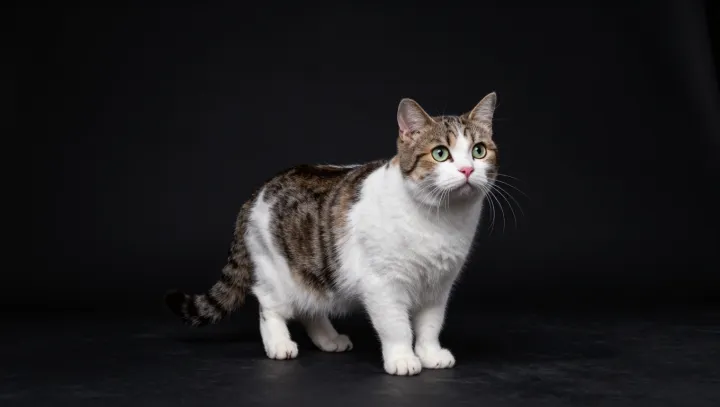
Darkness in the hallway, then a blur across the floor: what looks like a pointless sprint is actually a finely calibrated survival script. Ethologists argue that domestic cats still run on a wild predator timetable, with their internal circadian rhythm primed for intense bursts of activity when small prey would historically stir.
Those so-called zoomies map onto a predator’s energy budget. At night, a cat’s basal metabolic rate supports short, explosive chases more efficiently than long, steady patrols; evolution favored animals that conserved calories by compressing stalking, pouncing, and play-fighting into brief windows. Even in a safe apartment, that inherited algorithm still executes, turning shadowy corridors into stand‑in hunting grounds.
Veterinary behaviorists describe the dashes, sudden jumps, and ambushes as practice runs for predation, engaging fast‑twitch muscle fibers and sharpening sensory processing. Artificial lighting and constant food do not fully overwrite the older code running in the nervous system, so the timing skews toward the historical peak of rodent and bird activity. The result is a nightly scene that feels chaotic to humans yet remains remarkably orderly on an evolutionary ledger.
In that sense, the racket at the edge of your sleep is less a nuisance than a quiet reminder that the animal at the foot of your bed still carries a script written for the dark.