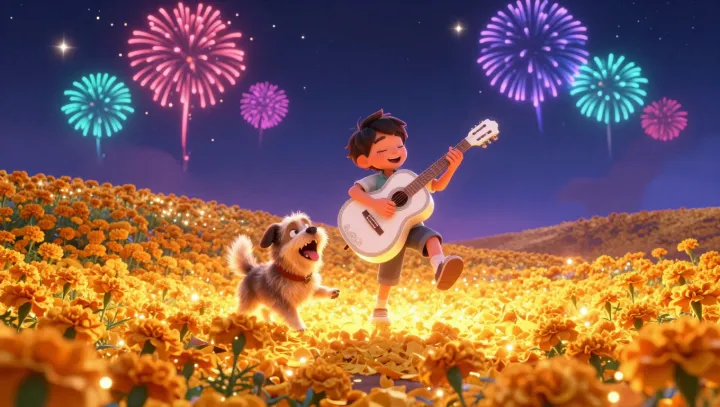
Crowded frames, not minimalist shots, best explain why modern animation can hide dozens of Easter eggs without melting anyone’s brain. Production designers build what they call visual hierarchy: sharp contrast, motion vectors and character blocking drag the eye to one dominant focal point, while low-saturation props and static backgrounds quietly store the jokes for later viewings.
The trick is not mystery, it is controlled neglect. Story beats occupy the spotlight through staging and color scripting, which act like a director’s pointer, while secondary and tertiary details are pushed below the threshold of conscious attention. Cognitive load theory and selective attention research give animators cover here; by limiting the number of competing high-contrast elements, they keep working memory clear enough that hidden logos, fake movie posters or in-universe brands read as texture, not noise.
Rewatch value is then engineered, not accidental. Layout artists reuse character models, props and typefaces across scenes, creating a quiet network of callbacks that rewards slow-frame obsessives without punishing casual viewers. Each revisit lets the viewer reallocate attention once the main plot is known, so the same shot flips function: what once was background becomes punchline, and the film feels newly generous rather than merely dense.