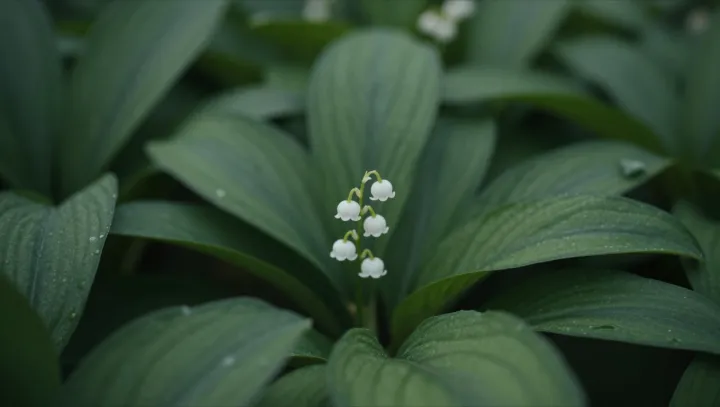
Those white bells are not innocent. Inside each leaf, lily of the valley runs a disciplined chemical program that would look familiar to any cardiology lab, stockpiling cardiac glycosides that lock onto the sodium potassium ATPase pump in animal heart cells and throw electrical signaling off balance.
The plant’s harsh strategy is simple. Small body, strong toxin. Grazing mammals learn fast or die; insects that adapt must rewire detox enzymes and membrane proteins, an arms race biologists describe as coevolution driven by receptor level constraints. Over many generations, individuals making slightly more potent glycosides, or shuttling them more efficiently into tissues, left more seeds untouched by hungry jaws.
The human embrace of this danger is not sentimental, it is opportunistic. Physicians isolated related cardiac glycosides from foxglove to control arrhythmia and heart failure, exploiting the same sodium potassium ATPase inhibition that kills cattle when dose and context slip. Gardeners, meanwhile, select for fragrance, tidy height, and synchronized flowering, not for safety; toxicity stays because it costs the plant little and still deters browsers in parks, yards, and window boxes.
What sits on the sill, then, is a compromise. A compact forest herb that won its ecological niche with biochemical force, and a decorative object whose elegance depends on most people never tasting a single leaf.