Hidden water, not missing rain, is the real scandal in so‑called wet deserts. These regions can match or exceed temperate forest precipitation, yet the water budget is rigged against plants. Intense solar radiation drives potential evapotranspiration far beyond rainfall, while porous substrates and fractured bedrock shunt water sideways and downward before roots can claim it.
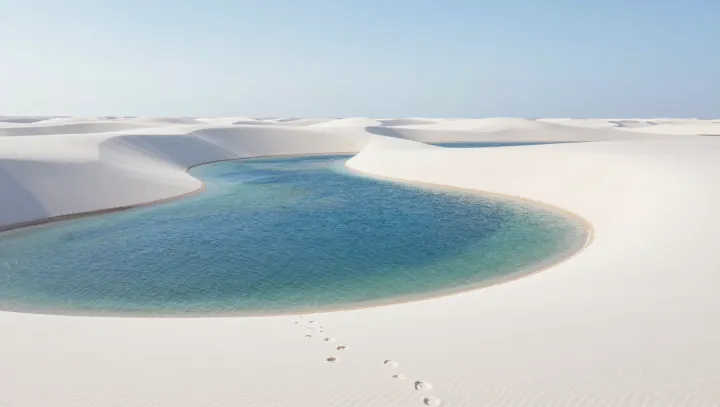
The stark truth is that most of this rain never becomes stable soil moisture. Instead, it flashes through the system as overland flow, briefly filling shallow rock basins and clay pans. Hydrologists call them ephemeral pools. They form when micro‑depressions over impermeable layers trap thin sheets of runoff, creating isolated pockets where hydroperiod lasts days or weeks, not months.
Life in these pools bets on timing, not comfort. Dormant eggs of fairy shrimp, rotifers and other invertebrates sit encased in the dry substrate, protected by desiccation‑resistant shells and osmotic regulation that tolerates extreme salinity. When a storm hits, rapid rehydration triggers hatching, feeding and reproduction in a compressed life cycle driven by temperature and dissolved oxygen dynamics.
The broader surface stays bare for harsher reasons. High soil salinity, low organic carbon and nutrient‑poor regolith block sustained primary productivity, so even brief greening after rare sequences of storms fades fast. What persists, instead, is a scattered archipelago of microscopic aquaria, where evolution has quietly optimized survival for pulse, shock and disappearance.