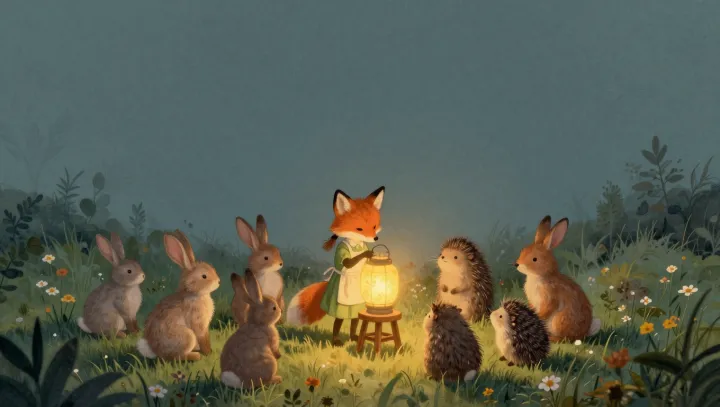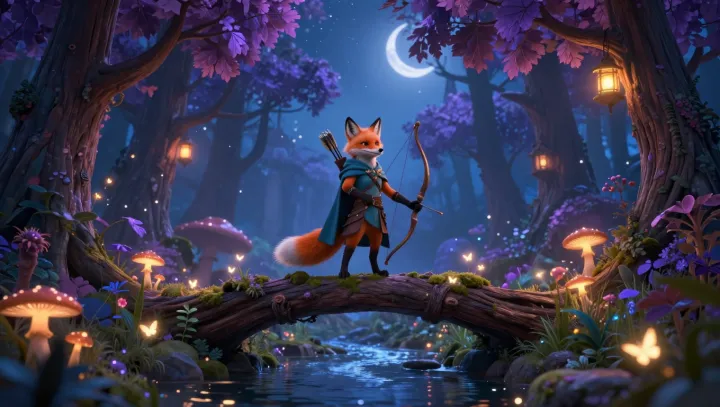
A fox with a stolen bow can do more ethical work than a haloed lion. Arrows that miss targets and rules that bend invite children and adults into the same joke, then keep them there long enough for something quieter to happen in the brain.
Comedy, not sermons, best recruits the social brain. When the fox cheats in an archery contest yet blushes when a rabbit praises his “honor,” viewers run constant theory of mind updates, toggling between what the fox wants, what others believe, and what the rules demand. That mental juggling, described in cognitive science as perspective‑taking and counterfactual reasoning, is exactly what most flat good‑animal‑versus‑bad‑animal tales outsource to a narrator instead of the audience.
Shared laughter raises the stakes. When a parent and child burst out at the same slapstick shot, mirror neuron activation and joint attention are already synced; the cartoon can then slip in moral dissonance. A fox who aims at the prize, hits a bystander’s hat, then owns the mistake trains error monitoring and empathy far better than a villain who is simply punished offscreen.
The real trick is role‑reversal. A single gag where the fox must protect the rulebook he once burned forces a swap of predator and guardian roles, a kind of narrative reversible figure that keeps moral categories flexible. In that wobble between outlaw and ally, the bow, the rulebook and the smirk become the quiet classroom.