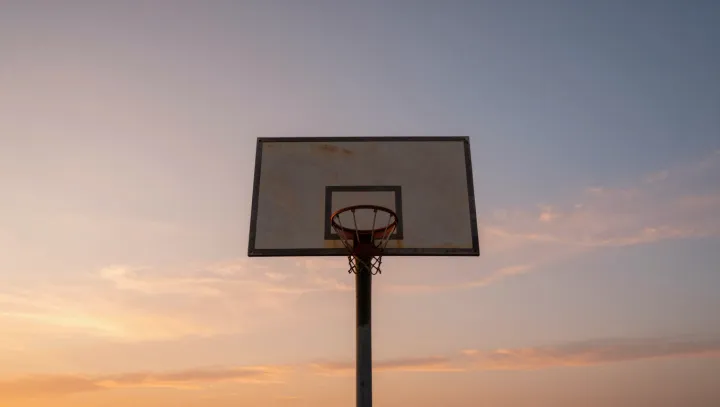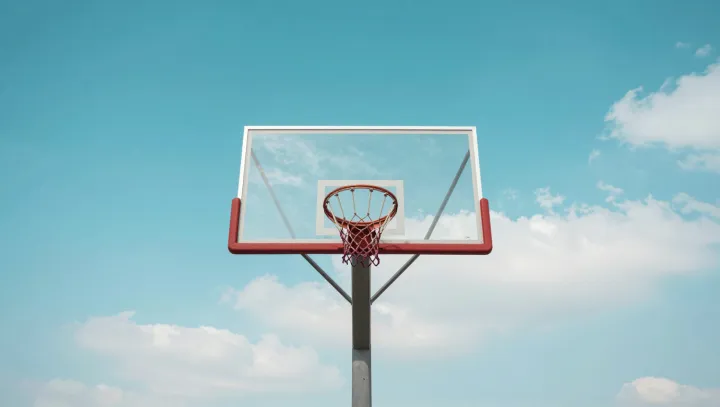
Ten feet is not a magic number. It is a building quirk that refused to die. The first basket went up on a balcony railing, and that rail just happened to sit about ten feet above the gym floor, a rough construction norm rather than a performance study.
So the oddity is this: that arbitrary rail now sits exactly in the sweet spot of human biomechanics. Modern data on vertical jump, force production, and joint kinematics show that elite players can raise their center of mass roughly three feet off the ground in repeated bursts, while still maintaining balance, shooting accuracy, and joint load within tolerable limits. Raise the rim much higher and offensive efficiency drops sharply; lower it and dunk frequency spikes, compressing defensive schemes and turning spacing into a crowded exercise.
The number also locks neatly into court geometry. A ten‑foot target, paired with current three‑point distance and free‑throw line placement, creates a stable equilibrium between perimeter shooting, post play, and above‑the‑rim finishes. Sports scientists modeling energy expenditure and torque on the lumbar spine find that this height pushes bodies near their limits without routinely breaking them. By accident, an old balcony created a durable constraint that still governs how the modern game is played.