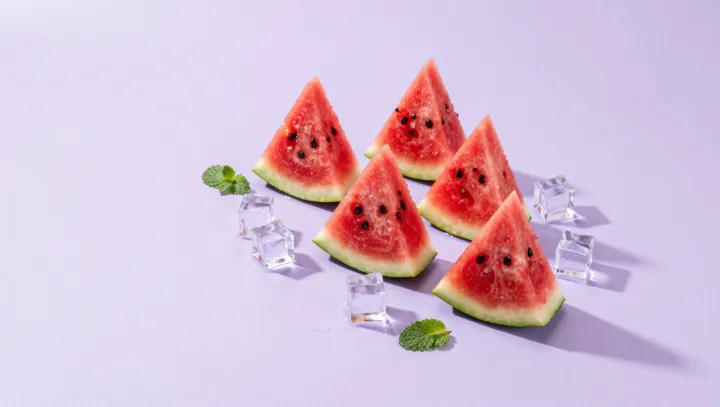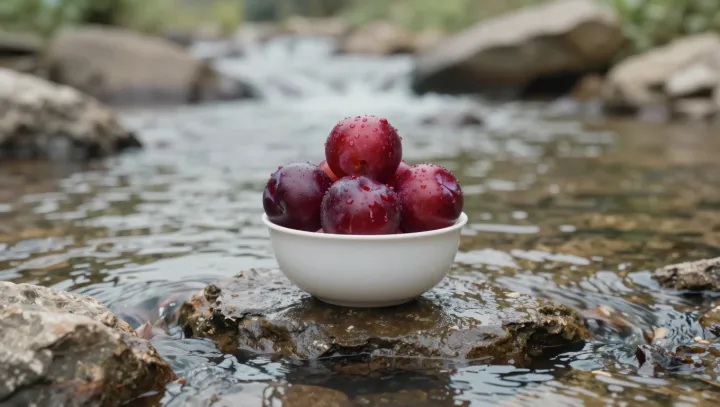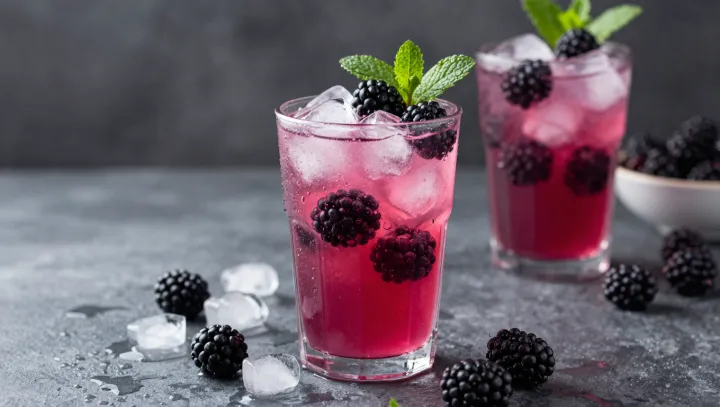
Sweetness, in a blackberry drink, is partly a sensory illusion. Drop in a few ice cubes and the flavor matrix tilts, not because sugar appears from nowhere, but because chemistry and perception quietly change. As the temperature falls, volatile esters and terpenes evaporate more slowly, so the fruit’s perfume lingers above the glass instead of vanishing in a quick aromatic burst. That slower release keeps berry notes present across each sip, which the brain routinely mislabels as “more sweet” even when the dissolved sucrose concentration stays fixed.
Equally counterintuitive is what cold does to sharpness. Acidity perception drops as temperature falls, since proton activity and receptor firing patterns in taste buds shift under chilling. The same titratable acidity now feels softer, so the identical sugar–acid ratio leans toward roundness rather than bite. Ice also slightly concentrates the top layer of liquid before significant melting, while cooling tightens tannin structure in the blackberry skins and seeds, muting bitterness and astringency. Less sting, less scrape, more fruit. To a drinker, that constellation of effects registers as a cleaner, sweeter blackberry hit, even as the cubes quietly melt in the background.
So the glass does not gain sweetness. It sheds noise.