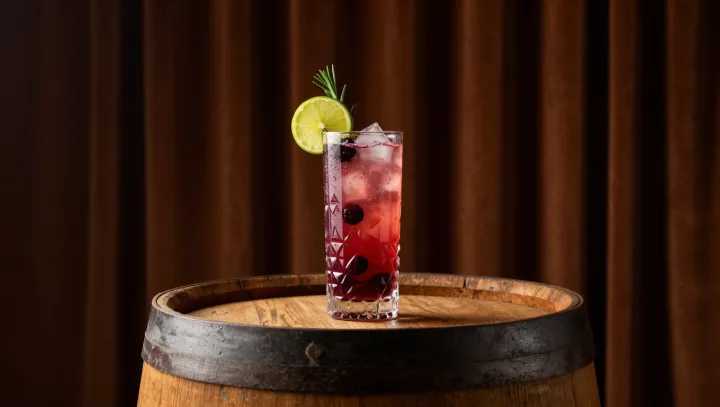
A bare glass signals one story; a rosemary sprig and lime wheel announce another. That contrast alone pushes many drinkers to rate the exact same liquid as more complex, more professional, even before the first sip reaches the tongue.
Perception, not chemistry, is the real bartender here. Visual garnish primes expectation in the orbitofrontal cortex, the brain region integrating reward and sensory input, which then biases how signals from taste buds and olfactory receptors are interpreted. When the nose meets volatile terpenes from rosemary and citral from lime, cross‑modal integration kicks in, so the brain upgrades a simple sour‑sweet profile into something it labels layered, crafted, intentional.
This is not just a party trick; it is a repeatable piece of cognitive economics. Studies on expectation bias and sensory congruence show that when presentation cues imply expertise, people report higher flavor intensity, better balance, and even justify premium pricing. A cheap mixer in a plain tumbler tastes basic. The same mixer, crowned with herb and citrus geometry, suddenly feels like the work of a specialist, because the garnish has already done the quiet work of rewriting the drinker’s scorecard.