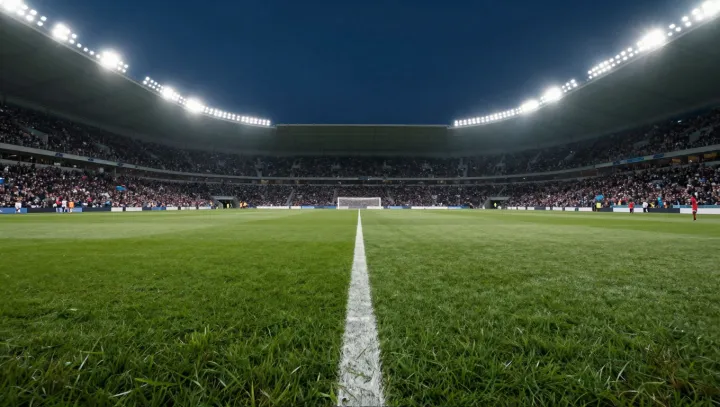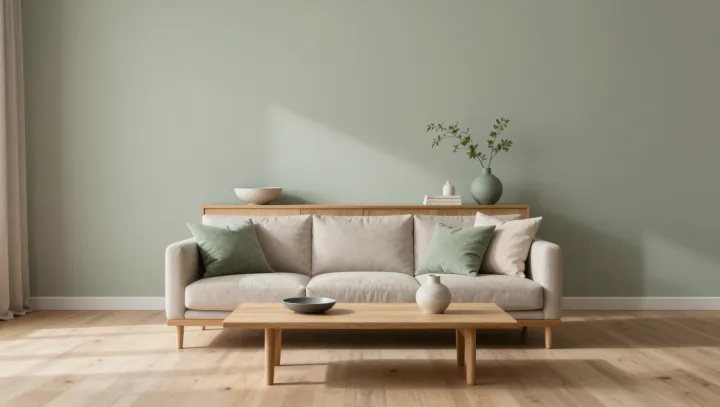
Empty floor often signals luxury faster than any designer sofa. On camera, negative space clarifies structure, isolates key objects and reduces visual noise, so the eye reads order and calm instead of cluttered spending. Image sensors compress depth and surface detail, which means crowded rooms flatten into a single busy plane, while sparse layouts preserve legible layers and a clear focal point.
Soft shadow, not upholstery price, does the real status work. Diffused light and long penumbra edges carve form through gentle luminance gradients, exploiting basic Gestalt perception: the brain groups shapes by contrast and separation, not by brand tag. When contrast ratios are controlled, highlights sit below clipping, blacks stay open, and even a modest sofa gains sculptural volume that feels editorial rather than domestic.
This is why top photographers strip rooms back until only scale, proportion and light remain. Negative space behaves like margin in graphic design, raising perceived value by giving each object visual breathing room. Add one clean line of sight, one dominant axis, and a few deliberate shadows across walls or curtains, and the frame signals discretion and confidence, while the actual furniture budget can stay almost embarrassingly low.