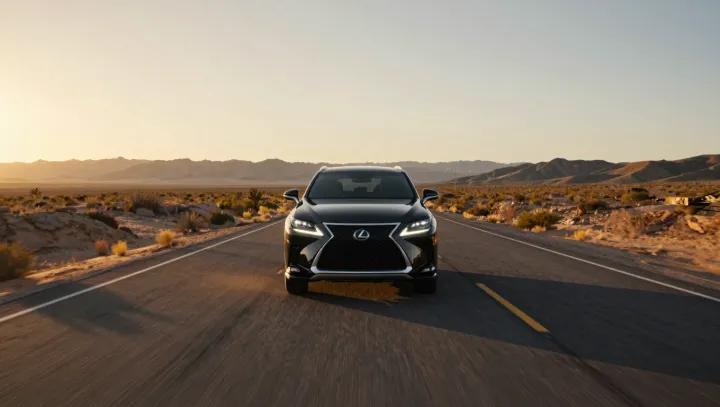
A 2.4‑liter turbo stops being just an engine the moment it is treated as software. That is the quiet revolution behind its new role as the anchor of a plug‑in hybrid system, where combustion no longer chases peak power on its own but works under strict orders from an energy management unit that decides when every joule is spent.
The real surprise is that efficiency gains come from restraint, not magic hardware. Engineers push compression ratio higher, stretch valve timing into an Atkinson cycle, and tune boost so the engine lives near its brake specific fuel consumption sweet spot while electric motors handle sudden torque demands. Short bursts of electric assist cover turbo lag, letting the combustion side stay in lean, steady operating zones instead of wasting fuel on every stoplight sprint.
The bigger shift is strategic. This 2.4‑liter no longer has to deliver full performance across the rev range; the battery and inverter take over peak load, so the calibration can sacrifice some standalone output to maximize indicated thermal efficiency during charge‑sustaining operation. Under highway cruise the engine runs like a stationary generator, feeding a closed‑loop powertrain that juggles state of charge, exhaust heat recovery and gear ratios so the driver still feels a strong, seamless surge when the pedal goes down.