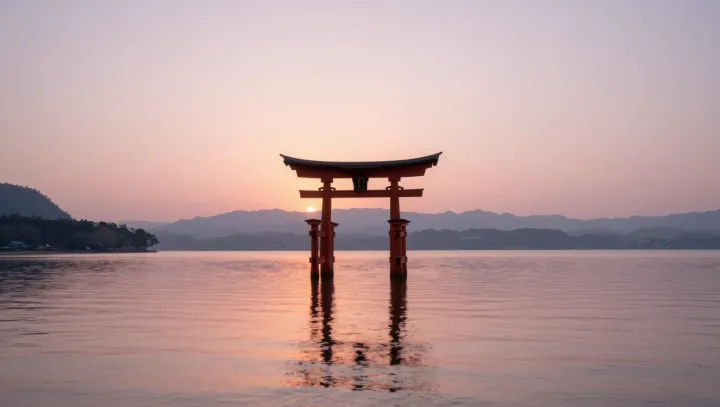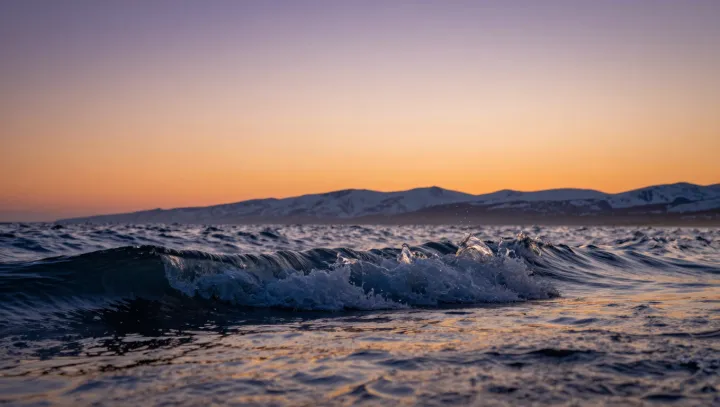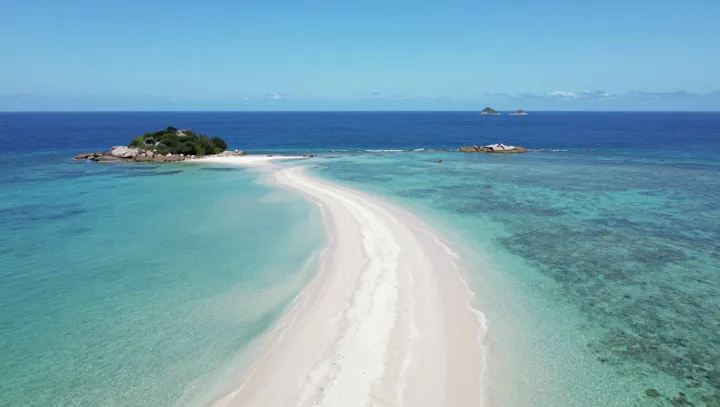
Empty beaches may be doing more for mental health than any wellness app. On remote islands, where work is scarce and entertainment thin, residents still report higher life satisfaction scores and lower rates of anxiety than many urban populations tracked in global well‑being surveys.
The real luxury, researchers argue, is sensory simplicity. Clean air reduces chronic inflammation and improves cerebral blood flow; both changes show up in neuroimaging studies as calmer amygdala activity and more stable prefrontal control. Short walk. Big sky. Lower cortisol. That stripped‑down routine quietly rewires stress circuits that city noise and pollution keep in a constant state of mild alarm.
Just as counterintuitive is the value of nothing happening. Long, empty horizons feed what environmental psychologists call “soft fascination,” a state where attention drifts without being hijacked. This state supports default mode network recovery and improves executive function, much like a low‑intensity cognitive reset. Fewer choices, fewer notifications, but a brain that actually completes its recovery cycles.
Social life on such islands is narrow yet dense, and that constraint matters. Smaller, repeated interactions build high‑trust networks that buffer depression even when incomes are modest. No glittering nightlife. No constant novelty. But a daily rhythm in sync with tides, light and weather gives residents a physiological anchor that many city dwellers try, and often fail, to buy back through therapy and short vacations.