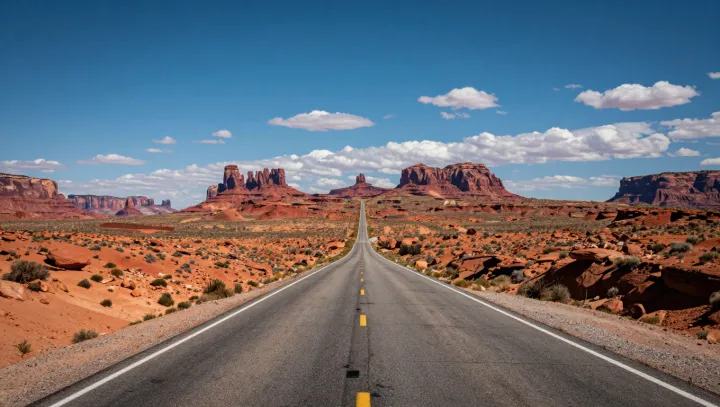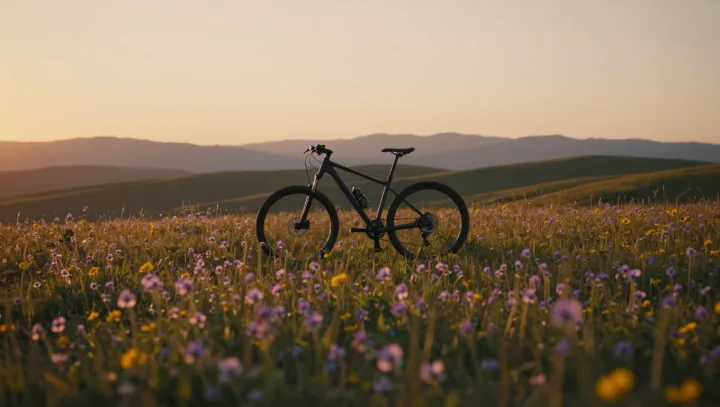
Orange light on asphalt makes a stronger case for mental health than any stopwatch split. The slow roll of a sunset ride pushes the brain into a low-threat state where sensory reward, not survival chemistry, takes charge of mood regulation.
Hard intervals look heroic, yet they flood the body with cortisol and adrenaline, which the hypothalamic–pituitary–adrenal axis treats as a stress drill, not a joy signal. During a gentle, steady ride, heart rate hovers in classic zone two, oxidative phosphorylation hums along, and the parasympathetic nervous system actually has room to stay online instead of getting shoved aside by fight-or-flight chemistry.
The sharper claim is this: pleasure sticks better when the brain is not busy putting out fires. Low-intensity cycling lets dopamine and serotonin release without being blunted by high stress hormone levels, while the visual cortex, vestibular system and hippocampus pair smooth motion, fading light and mild effort into a durable memory trace. That pairing, known in learning research as associative conditioning, means the brain starts tagging slow rides with safety and reward, building a mood buffer that outlasts the final glow on the horizon.