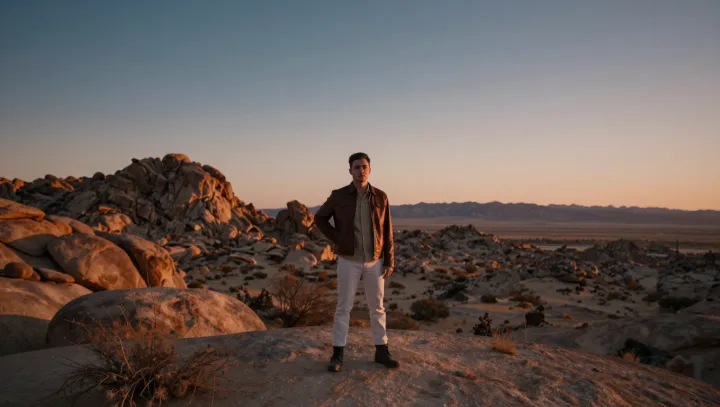
Harsh desert light is a lie. At sunset the scene already behaves like a mile-wide modifier, and the best photographers simply stop fighting it. As the solar elevation drops, the sun becomes a long, horizontal strip source; refraction and increased atmospheric scattering stretch its apparent size, softening penumbra edges while keeping a strong, directional key.
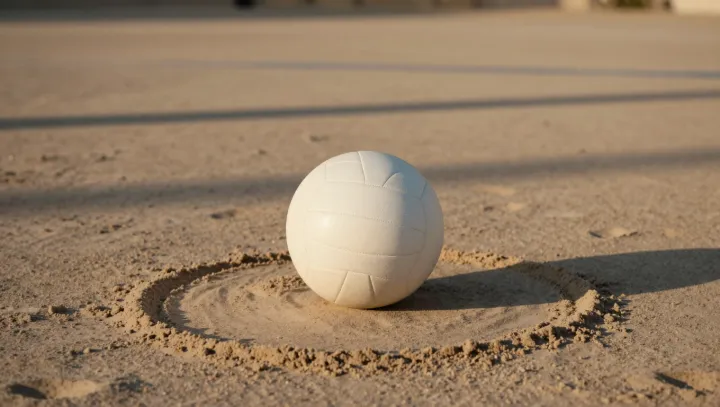
The real trick is geometric, not mystical. Sand, with its high albedo, turns into a massive fill card, bouncing diffuse photons back into eye sockets and under chins, while darker rocks act as negative fill to carve cheekbones and jawlines. By placing the subject just off-axis from the sun, they avoid direct flare yet keep a clean Rembrandt triangle, using the ground as a de facto reflector and the sky as a natural silk.
What looks like improvisation is pre‑planned blocking. Framing the subject against backlit dust or pale dunes compresses dynamic range, since those backgrounds sit near midtones instead of deep shadow. A small shift in stance, a slight change in head tilt, and the desert stops reading as hostile emptiness and starts behaving like a controlled studio set.