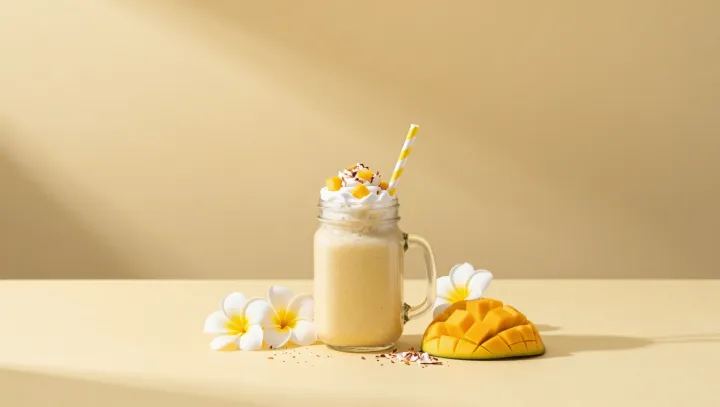
A frosty mango milkshake often wins the cooling contest in your head, even while plain cold water quietly wins in your body. On the physics scoreboard, water is the better coolant: it carries no sugar load, empties from the stomach faster, and supports heat loss through vasodilation and sweat without adding metabolic fuel that later generates extra heat through thermogenesis. Yet the brain does not award the prize to the most efficient coolant; it crowns the drink that best hacks its sensory circuits.
At the center of this mismatch is perception, not temperature. Cold receptors in the mouth, especially TRPM8 and related thermoreceptors, fire intensely when a viscous, chilled liquid slides over the tongue and palate, and that prolonged contact time is exactly what a thick shake provides, while thin water washes through quickly and ends the signal. Added to this is sweetness, which recruits dopaminergic reward pathways and couples the chill sensation with a hit of pleasure, so the brain tags the milkshake as especially refreshing even though the body is quietly accounting for the extra caloric load.
Texture then amplifies the illusion. A dense emulsion of milk fat, fruit pulp, and dissolved sugars moves slowly, extending oral cooling and giving taste buds and mechanoreceptors longer engagement, while gastric stretch and early signals along the gut-brain axis generate a brief sense of satiety and relief. Water, despite lowering core temperature more cleanly and avoiding postprandial metabolic heat, lacks that multi-channel sensory surge, so the nervous system files it as effective but emotionally flat, and the shake as vividly, almost theatrically, cool.