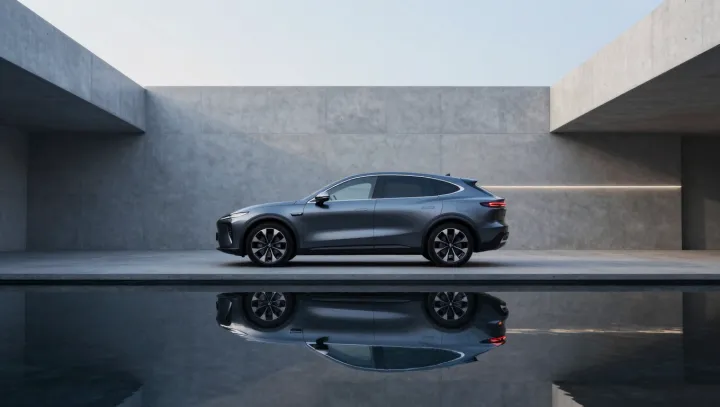
A boxy SUV is not cheating physics; it is weaponizing it. Those flat sides do generate side force, yet the body is shaped so that the air’s pressure peaks and lows cancel much of the steering effect instead of simply shoving the vehicle sideways.
Key is where the air hits and where it lets go. The near‑vertical nose builds a controlled high‑pressure zone, while the roof edges, A‑pillars and tail lamps act as deliberate separation points that fix the vortex pattern, so side gusts create mostly steady, predictable loads instead of chaotic ones. Underneath, a smoother underbody and carefully sized wheel‑arch gaps manage boundary layer behavior and reduce lift, keeping the center of pressure low and close to the center of gravity.
More surprising is how much stability comes from the plan view, not the profile. A long wheelbase, wide track and rear‑biased aerodynamic center create a weather‑vane effect, a form of positive yaw stability that makes the SUV want to point back into the wind. Then software finishes the job: electronic stability control and brake‑based torque vectoring watch yaw rate sensors and wheel speeds, trimming individual brakes in tiny pulses to counter the moment that the slab sides still produce.