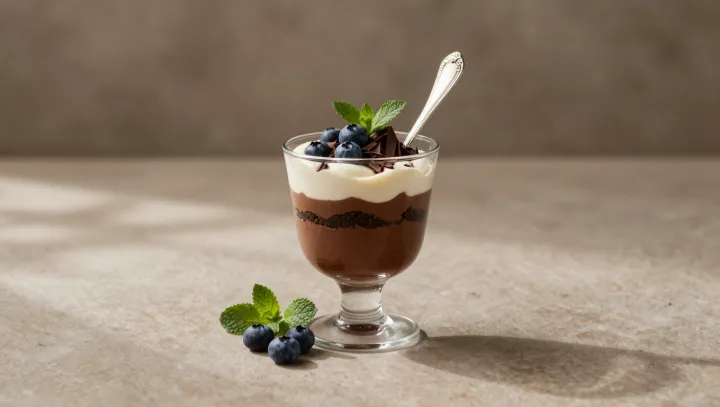
Layers, not recipes, decide who that dessert really is. Stack chocolate at the bottom and the spoon hits fat and cocoa first, so bitter notes dominate while saliva slowly melts the sugar-rich phase above. Put berries on top instead and acid fires early, priming taste receptors before chocolate even reaches them.
What changes is not ingredients but timing. Sensory sequencing, the order in which gustatory and olfactory signals arrive, rewires perception on the fly, because taste buds, mechanoreceptors, and olfactory neurons adapt at different rates. When crumbs sit between cream and berries, starch absorbs fat and moisture, altering shear force and mastication patterns, so crunch and dairy register as one hybrid event rather than two separate hits.
More radical still is aroma traffic. When warm cream sits on top, volatile compounds travel quickly through the retronasal pathway, so your brain reads the spoonful as rich and rounded even before sour berry juice appears. Reverse it, and juice floods first, shifting pH at the tongue surface and modulating ion channel activity for sweet and bitter. Same chocolate, same cream, same crumbs, same berries. Rearranged like this, they behave less like a recipe and more like a controlled sensory experiment.