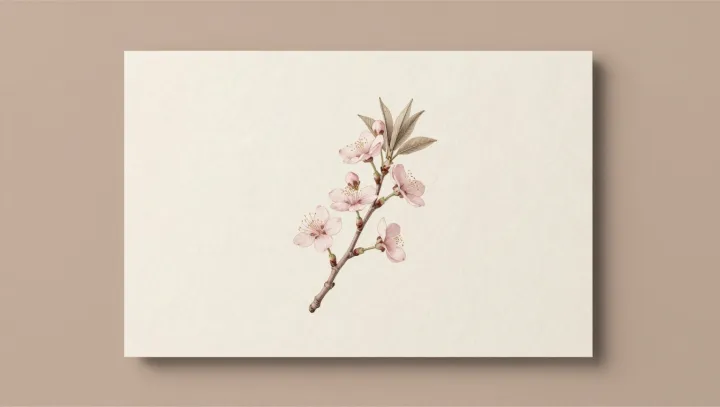
A flat sheet of paper can feel more honest to a botanist than a high‑end camera sensor. That is not nostalgia. It is a judgment about how information is compressed, filtered and staged for scientific use.
Botanical illustration, at its best, is controlled distortion. The artist edits out glare, background noise and accidental shadows, then builds a synthetic view that no single specimen or angle can provide. One plate may fuse flower, fruit, seed, root and cross‑section, each rotated to show diagnostic structures such as stamens or vascular bundles. In effect, a drawing behaves like manual image segmentation and feature extraction, operations that in digital vision pipelines demand algorithms but in studio practice rely on trained anatomical knowledge.
Photography, for all its resolution, is hostage to perspective. A single shot locks in one specimen at one moment, with its quirks of disease, age or lighting. For taxonomy and comparative morphology, researchers need an idealised specimen that encodes the species concept, not an individual plant having a bad day. Line work can exaggerate contrasts at petal margins, clarify venation patterns and isolate reproductive organs against blank space, boosting what cognitive scientists call signal‑to‑noise in visual perception. The result may look less like a garden plant and more like a diagram, yet to the scientific eye it reads as closer to the underlying structure.