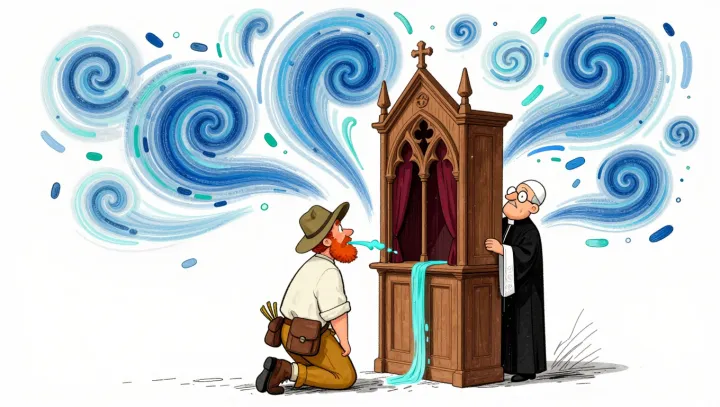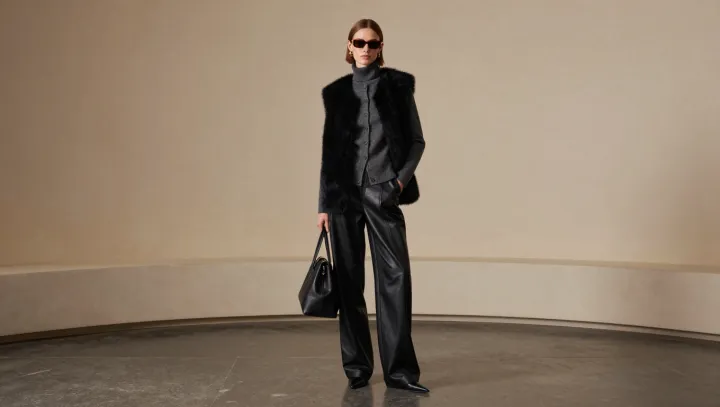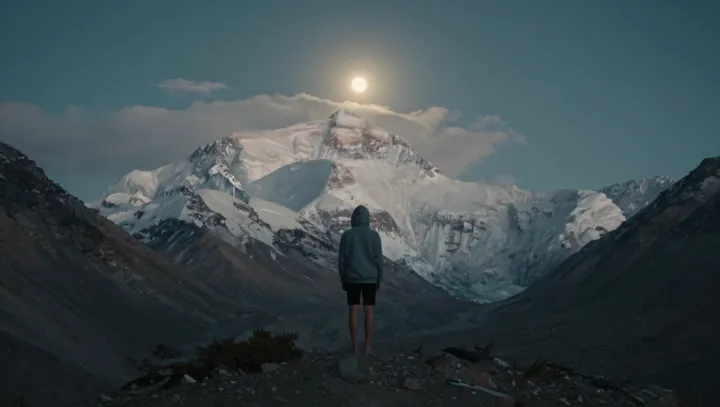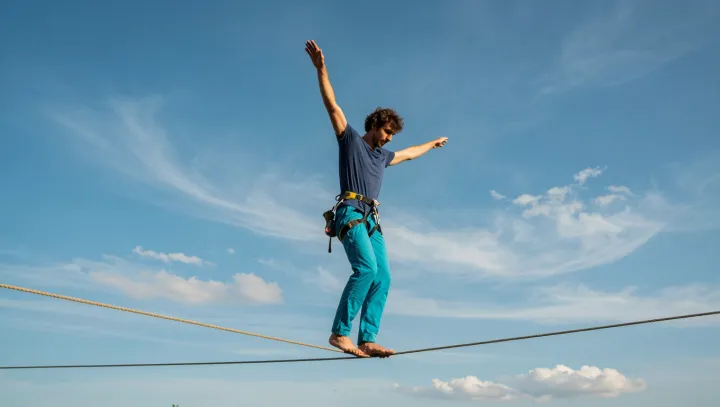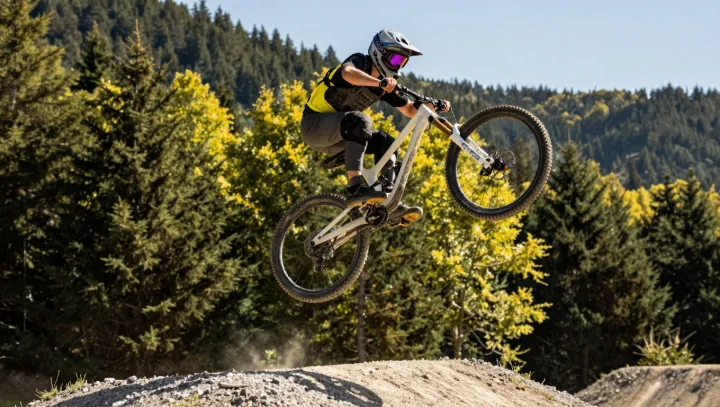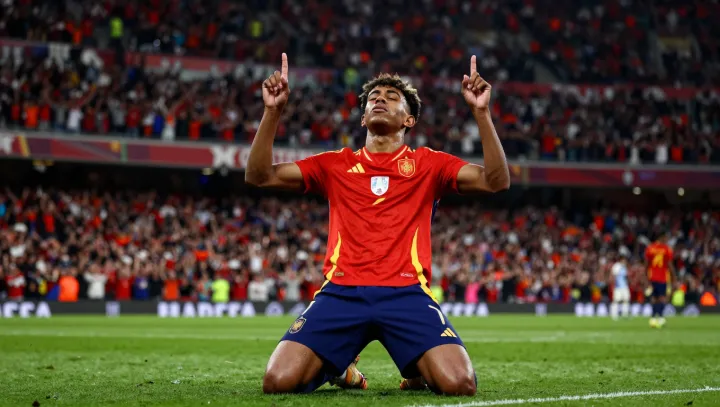
A bent knee is a trap for certainty; an upturned finger, caught against open sky, seems to offer a single readable script. Certainty fails here. Meaning arrives through semiotics and kinesics, not through a bodily dictionary, because posture becomes intelligible only when observers connect it to a setting, a history, and a presumed audience.
The harder truth is that identical muscle positions can produce opposite social claims. Bodies do not speak alone. In pragmatics, an utterance gains force from circumstance; in gesture studies, deictic pointing directs attention but does not dictate purpose. A kneeling figure may perform devotion when framed by ritual, refusal when facing authority, or a plea when danger compresses choice. Cameras sharpen the ambiguity. Their crop can erase uniforms, altars, barriers, or weapons, leaving viewers to supply what the frame withholds. Social scripts matter more than anatomy. Communities teach ritual repertoires, and political movements teach spectators which bodies, sites, and consequences make a posture legible. Platform circulation then tears the sign from its local frame, turning interpretation into a contest between competing captions.
That gap is not a flaw in human communication but its price: gestures are cheap to make, while interpretation is negotiated. The body is never neutral. Beneath the raised hand lies an unseen argument over power, vulnerability, and who gets to name the scene; above it, the sky keeps no caption.