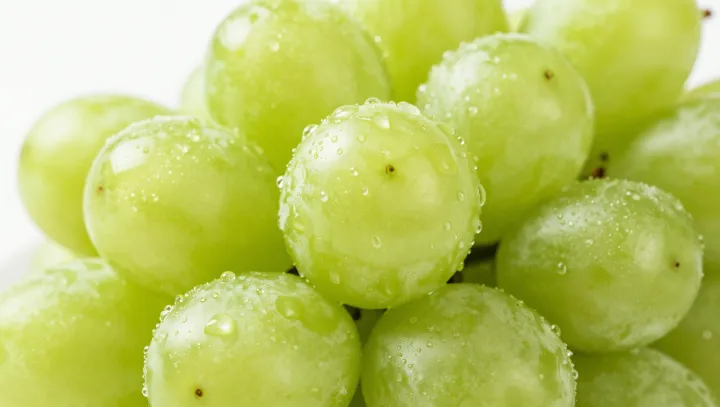
Against the light, a green grape can look like an unfinished promise, yet its pulp may carry a startling load of sugar because hue and sweetness do not share a single ripening switch. Color is a poor judge. That mismatch exposes the mistake of treating skin appearance as a reliable meter of flavor, since the two traits answer to different biological controls.
The chemistry is plain. During ripening, leaves export sucrose through the phloem, and transport, metabolism, and water balance inside the berry shape the soluble-solids concentration recorded as Brix. These are separate systems. Skin color follows another route: chlorophyll can remain visible, while anthocyanin biosynthesis is reduced or absent when pigment genes do not yield the red and purple compounds found in darker varieties. Sugar does not order pigment.
The color cue fails. Growers know better, assessing maturity through soluble-solids readings, acidity, and flavor because a pale berry may have completed much of its sugar loading while retaining its green cast. Consumers still guess. They often link green fruit with sourness and darker fruit with richness, although neither assumption reliably predicts what happens on the tongue. Inside a translucent skin, sweetness and color keep different clocks, and neither owes the other an explanation.