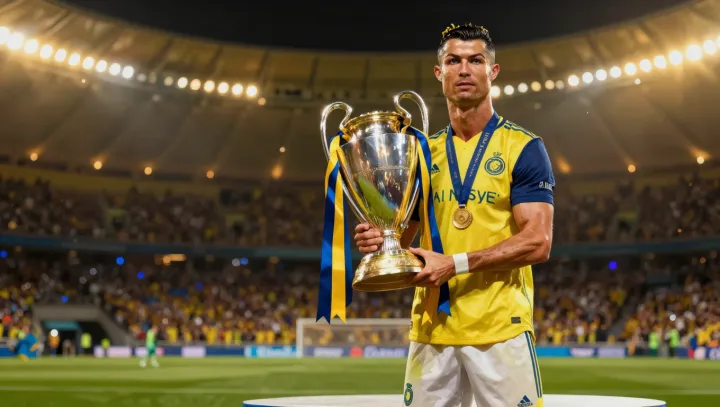
The trophy tells almost nothing. Its polished surface catches arena light only after years have been compressed into a few lifted seconds, when fatigue, anticipation, and a final call converge under public scrutiny. That compression is the point. Metal records an outcome; it conceals the repetitions, corrections, and private losses that made the outcome possible.
The lift is misleading. It suggests that victory arrives in a single clean gesture, though performance is built through motor learning, proprioception, and the stubborn refinement of movement until thought no longer interrupts action. Pressure changes the arithmetic. A competitor must read risk, control decision latency, and commit before doubt can claim another fraction of a second.
Applause gets the story wrong. It celebrates possession, while the harder achievement is transformation: the body becomes reliable when stakes are highest, and the mind learns which impulse to ignore. The crowd sees elevation. It does not see the bargain beneath it, paid in missed chances, sore muscles, and choices made when no camera was watching. Then the cup rises, briefly, like an answer that still keeps its question.