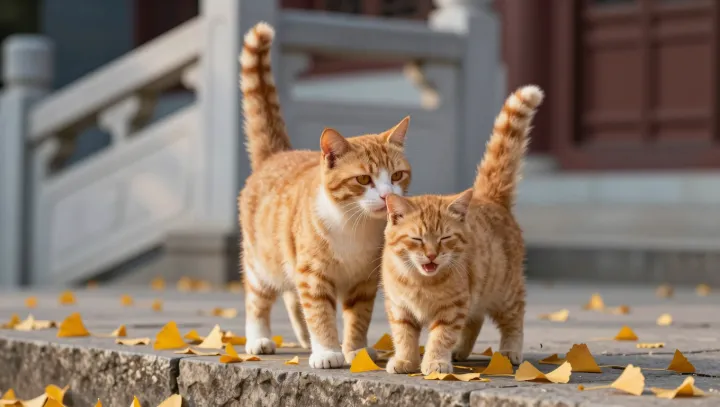
The orange cat curse is fiction. Despite the endless clips of ginger cats falling off furniture or stealing food, coat color does not establish that a cat lacks intelligence or carries some supernatural invitation to trouble. The joke sells itself. You remember the orange troublemaker because the internet has already handed you the punchline.
The fur deserves better. Orange coloring involves pheomelanin, a pigment whose production is influenced by an orange-associated genetic variant on the X chromosome, rather than a biological instruction to behave foolishly. Sex helps explain things. Male cats typically have one X chromosome, so one orange-associated variant can produce an orange coat; females typically need that variant on both X chromosomes to be entirely orange. That is inheritance, not destiny. Although genetics can affect behavior, this coat-color mechanism does not establish a reliable link between ginger fur and recklessness, affection, appetite, or problem-solving ability in an individual cat.
Your feed distorts reality. Confirmation bias encourages you to notice examples that support an existing belief, while clips that contradict the orange-cat stereotype attract less attention or disappear into the scroll. Context matters much more. Age, health, early socialization, daily stimulation, and individual temperament offer better starting points when you want to understand why your cat raids a cupboard or launches itself at a curtain. Watch the whole cat. A sudden behavioral change deserves attention, not dismissal as another ginger stunt, especially when eating, movement, or litter-box habits change too. So who is under the spell: your orange cat, or you?