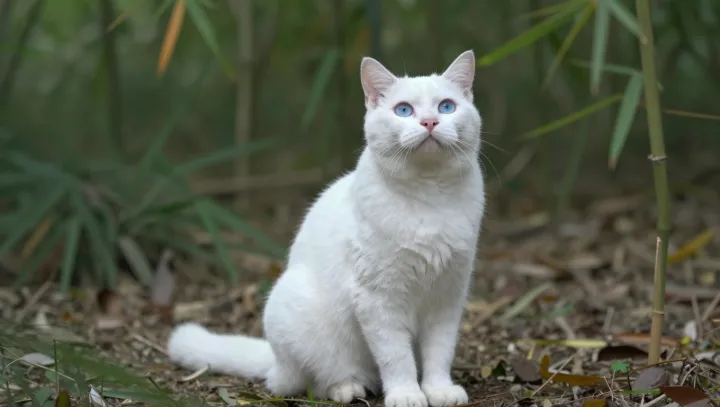
That flap proves little. Beneath a cat's abdomen, the primordial pouch forms a loose fold of skin and adipose tissue that can sway during walking, even when the animal carries no excess weight. Appearances invite bad verdicts. Although its size varies among cats, the pouch itself is normal anatomy, not a diagnosis of obesity.
Function deserves some skepticism. Proposed explanations include cushioning the abdomen during fights and allowing greater stretch during movement, but these should be treated as hypotheses rather than a settled account of why the pouch exists. The distinction matters medically. A body condition score assesses fat coverage across the animal, including how readily the ribs can be felt and whether a waist remains visible from above, instead of judging one dangling fold. Slim cats have pouches. An overweight cat can also have one, which means the presence of this feature neither establishes obesity nor grants an exemption from it.
Restraint beats reflexive dieting. Before reducing food because a belly swings, ask a veterinarian to assess weight and body condition, since an unnecessary calorie cut can compromise nutrition without answering the original question. Change deserves closer attention. A newly enlarged abdomen, a distinct lump, pain, or a change in appetite warrants veterinary advice rather than the reassuring assumption that every belly change is simply a pouch. Normal anatomy needs perspective. As the cat crosses the room, the small fold follows its own pendulum motion, while the human temptation to turn a silhouette into a verdict trails behind.