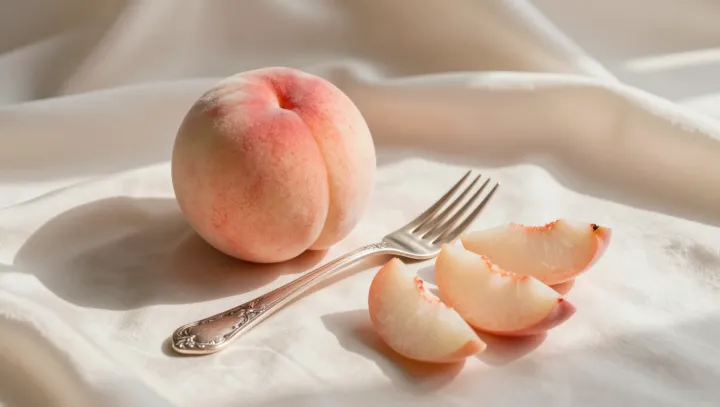
Crunch does not disqualify ripeness. A peach can develop the sweetness and aroma associated with maturity while retaining firm flesh, because its cultivar helps determine how extensively that flesh softens during ripening. Softness is no verdict. The familiar expectation that every ripe peach should surrender beneath a thumb mistakes one kind of peach for a rule governing them all.
Variety writes the terms. In melting-flesh peaches, ripening involves changes to cell walls, including the breakdown of pectin, that allow the flesh to become tender and eventually almost yielding enough to drink. Other peaches resist collapse. Non-melting cultivars soften less extensively, while stony-hard types typically produce little ethylene, the plant hormone that helps coordinate ripening and softening in many fruits. The distinction is biochemical. Differences in enzymes such as polygalacturonase, which breaks down pectin, help explain why two peaches at comparable eating maturity can offer markedly different resistance to the teeth.
Shopping requires better clues. Aroma and the fading of green background color can help assess maturity, although their usefulness varies by cultivar and neither guarantees that a peach will taste sweet. Red blush proves little. Because that coloration depends partly on variety and sunlight exposure, a crimson surface should not outrank the grower's description of how the fruit is meant to eat. Ask about the cultivar. A firm peach may need more ripening, but it may also have reached precisely the texture its variety allows, leaving the shopper to distinguish delay from design. The bite keeps its secret.