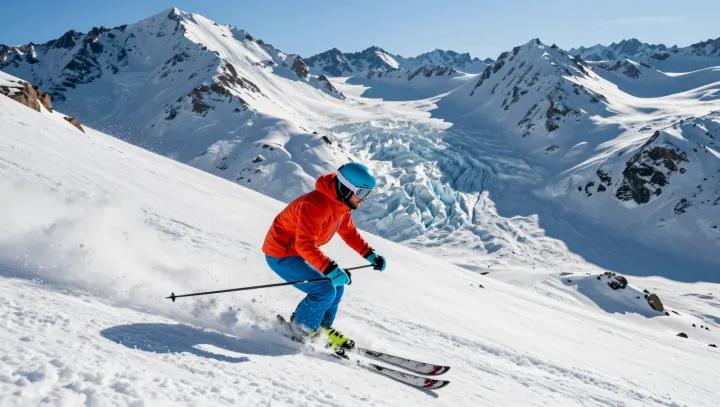
Exhaustion can lose arguments. Skiing offers an unusually persuasive combination of immediate feedback and achievable difficulty, which can make another descent feel more attractive than rest. The contradiction is real. While the thighs absorb repeated loads, attention can remain absorbed in the next turn, separating the desire to continue from the body's capacity to do so safely.
Difficulty earns its appeal. Psychologists describe flow as deep absorption in an activity, often supported by clear goals, immediate feedback and a perceived balance between challenge and skill. Balance does not mean ease. A slope that feels manageable yet demanding can hold attention because each turn requires adjustment, while pressure through the skis supplies feedback about the result. Boredom weakens that grip. When demands substantially exceed perceived ability, anxiety can replace absorption; when they fall too far below it, attention may drift elsewhere. Skill changes the equation. The same descent can therefore feel absorbing to one skier and overwhelming to another.
Pleasure is no clearance. During skiing, eccentric contractions help muscles resist lengthening under load, while proprioception supplies information about body position that supports balance and coordinated movement. Fatigue can undermine both. The attraction of repeating a satisfying sequence does not establish that strength, coordination or judgment remain adequate for another attempt on the same slope. Rest deserves a vote. As fatigue accumulates, yesterday's comfortable challenge can become today's excessive demand, even when the remembered pleasure of earlier turns keeps its persuasive force. Desire keeps its edge. At the lift entrance, the mountain offers repetition; the legs must supply the difference.