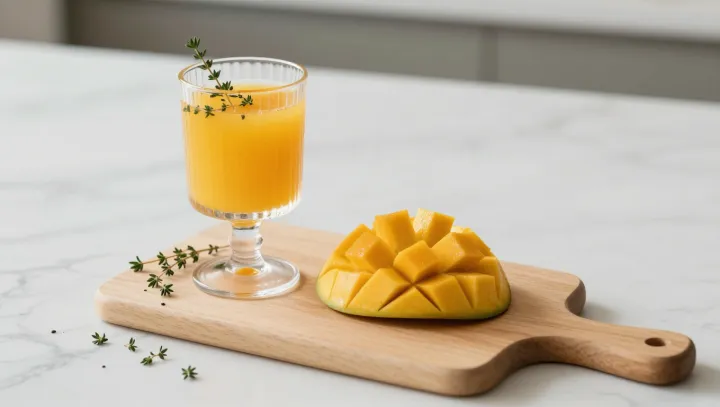
Mangoes deserve credit for iron they do not supply. A cup of raw mango provides roughly 0.3 milligrams of iron, but about 60 milligrams of vitamin C, which can help the body absorb iron from plant foods eaten alongside it. The distinction matters. Rather than serving as an iron source, the fruit makes a more persuasive case as an accomplice.
Chemistry beats the nutrient tally. Beans, lentils and fortified cereals contain nonheme iron, whose absorption varies with the meal's composition and the body's iron stores. Vitamin C changes that. Also called ascorbic acid, it helps convert ferric iron into ferrous iron, a form that intestinal cells can absorb more readily, and helps keep iron soluble during digestion. Context still sets limits. Phytates in grains and legumes can inhibit absorption, while vitamin C can counter some of that inhibition; no single serving guarantees a fixed increase for every person.
Pairing deserves more attention. Mango salsa with beans, diced mango over lentils, or fresh mango beside an iron-fortified cereal puts vitamin C and nonheme iron into the same meal, where their interaction can occur. Quantity still matters, though. Mango cannot supply iron that is absent from the plate, and suspected iron deficiency calls for medical assessment rather than fruit alone. Nor is mango indispensable. Other vitamin C sources can serve the same purpose, making the broader lesson less about one celebrated fruit than about what shares the fork. Beside the lentils, the mango earns its place.