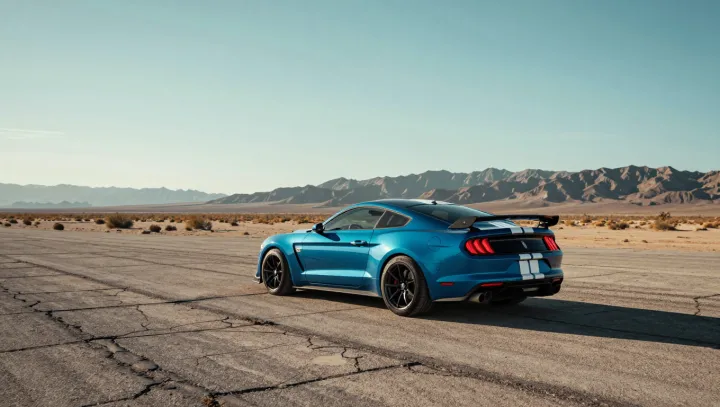
The coupe has outgrown its doors. A Shelby Mustang wears the name as a two-door performance car, while vehicles marketed as four-door coupes offer rear passenger doors beneath a sloping roof. The apparent contradiction is not a mistake. It is the result of a word that has followed style more faithfully than a fixed body plan.
The older meaning was more concrete. Coupe comes from a French word meaning cut, and was used for a shortened carriage body. When the automobile borrowed the term, it came to be associated with enclosed cars that generally had two doors and a relatively compact passenger compartment. The Mustang fits that familiar pattern. Its long hood, short rear deck and fastback roofline also draw on a visual tradition in which a coupe promises a sportier character than a conventional sedan.
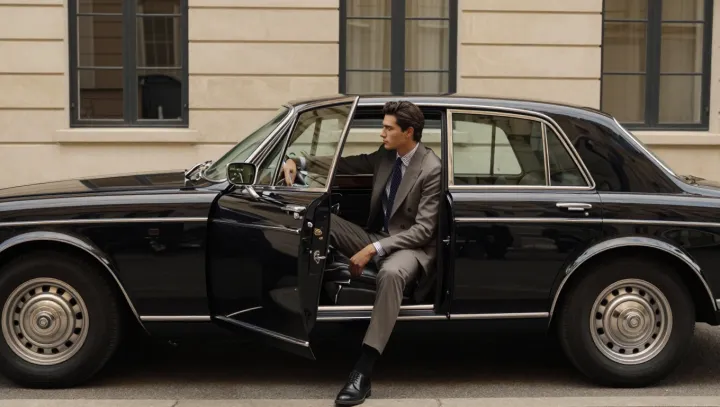
The four-door coupe is a marketing compromise, but not an empty one. Models such as the Mercedes-Benz CLS combine the access of a sedan with a low, sweeping roof and a profile designed to suggest the two-door form. That shape can cost rear passengers headroom, and the label itself carries no universal guarantee about space or performance. Buyers should count doors and inspect the back seat rather than trust the badge. The name still sells a silhouette; the passengers must live beneath it.