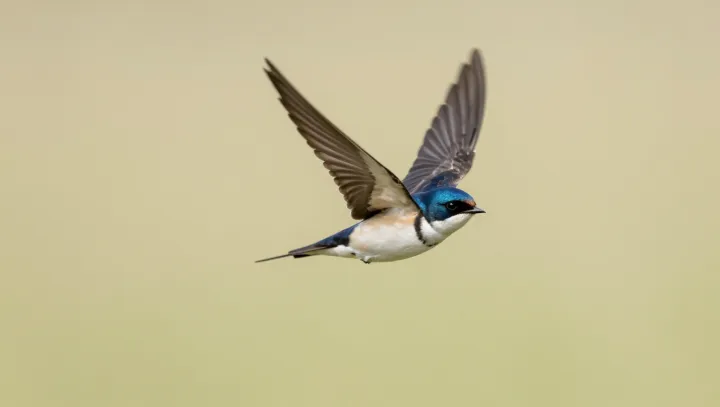
Cold weather exposes an unusual advantage in the tree swallow: when flying insects disappear, it can turn to berries. Few swallows have that option. The switch helps explain how this aerial hunter can endure cold spells during its seasonal travels between North American breeding grounds and warmer wintering areas.
The berry is more than an emergency mouthful. Tree swallows can digest the waxy coating of bayberries, extracting energy from lipids that many birds cannot use efficiently. Lipase enzymes help break down fats into fatty acids, which can then be absorbed and used to fuel metabolism. The food has limits, though: berries do not supply the same balance of nutrients as insects, and their availability varies from place to place. A swallow still has to find enough of them while spending energy to stay warm. The calculation is unforgiving.
That dietary flexibility makes migration less dependent on perfect weather, not free of risk. Tree swallows breed across much of North America and travel toward milder regions for winter, feeding on insects caught in flight whenever conditions permit. Cold can ground their prey, forcing birds to seek fruit or move on; prolonged shortages can still kill them. Thermoregulation demands energy, and a berry patch is no guarantee of survival. Yet where waxy fruit persists, a bird built for the air can wait out a chill with its feet among the branches.