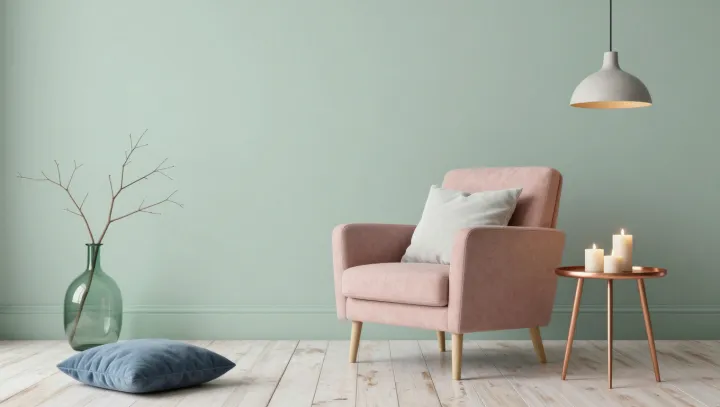
The pastel armchair does the talking. Against pale wood and a modest lamp, its soft color gives the room a focal point without demanding a crowd of accessories. The effect is not austerity but ease: a place where the eye can rest and a person can settle in.
Simplicity has a social purpose. Scandinavian designers embraced functionalism and democratic design, arguing that useful, attractive furnishings should not be reserved for wealthy households. Straightforward forms could be manufactured in quantity, while an emphasis on durable materials and practical use helped make good design a less exclusive proposition. Production methods mattered as much as appearance. Yet a restrained silhouette does not guarantee a low price; craftsmanship, materials and branding can still make a chair expensive.
Comfort, meanwhile, is not clutter. Light wood brings warmth, a cushioned seat invites lingering, and a simple lamp puts illumination where it is needed rather than treating lighting as decoration alone. Choose accessories with a purpose, then leave space around them; a blanket, a book and a small table can make the chair useful without turning the room into a display. This approach also allows a home to grow gradually, with each purchase judged by how well it serves daily life. What remains is a quiet invitation: sit down, and let the room do less.