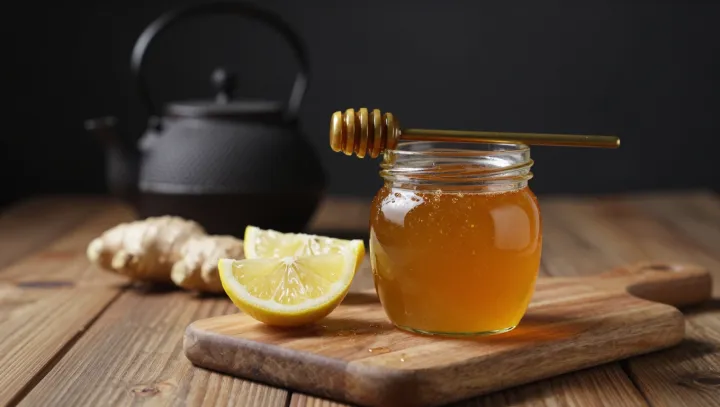
A jar of honey can pass every kitchen trick and still contain added syrup. The flame test, the water test and the slow swirl from a spoon promise answers they cannot deliver: texture, moisture and crystallization vary naturally among genuine honeys. The eye is easily fooled.
Carbon tells a sharper story, though not the whole one. Plants absorb different proportions of carbon isotopes during photosynthesis. Corn uses the C4 pathway, while rice and most nectar plants use the C3 pathway. That distinction leaves a measurable signature in their sugars. Isotope ratio mass spectrometry compares the carbon signature of honey with that of its own proteins, which are less likely to be altered by added syrup. A substantial mismatch can signal an addition of corn syrup. The result has limits. Small additions may fall below the method's detection threshold, and unusual honey samples can complicate interpretation.
Rice syrup is a more elusive impostor. Because rice and most nectar plants share the C3 pathway, their carbon isotope signatures can overlap, leaving the same comparison unable to reliably distinguish their sugars. Laboratories may therefore combine isotope analysis with other methods, including tests that examine sugar profiles or molecular fingerprints. No single test catches everything. For shoppers, a trusted supplier and traceable sourcing offer more useful grounds for confidence than a glass of water, although neither guarantees purity. In the jar, the syrup keeps its secrets.