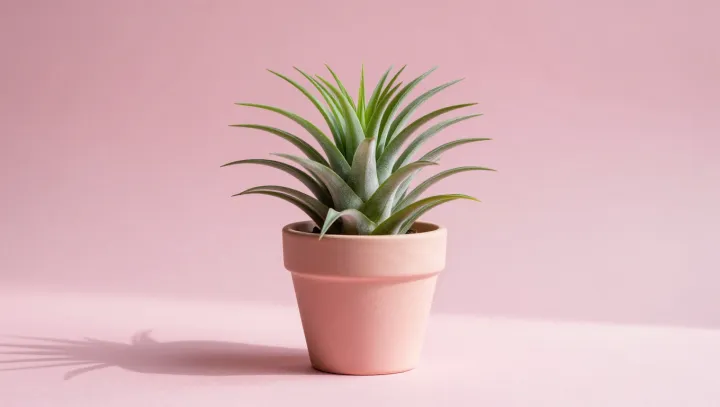
Air plants are not as independent as their name suggests. Soil they can do without; water they cannot. Their leaves collect moisture and dissolved nutrients through tiny scales, while roots usually serve a less celebrated purpose: holding the plant against a branch, rock, or other surface.
The leaves do the heavy lifting. Their scales, called trichomes, absorb water from rain, mist, and humid air; dissolved nutrients can enter with that moisture. Many air plants are epiphytes, growing on other plants without taking nourishment from their hosts. Their roots act chiefly as anchors, not as the principal intake system familiar to anyone who has pulled a houseplant from its pot. That arrangement suits habitats where water arrives above ground, but it does not make the plants immune to drought.
Neglect is not a care routine. Indoors, many air plants benefit from a thorough soak followed by a shake and enough air circulation to dry, though the needs of individual species and the conditions in a room vary. Water trapped around the base can encourage rot, especially where air is still. Bright, indirect light supports growth; harsh direct sun can scorch leaves, particularly in dry conditions. A plant displayed in a sealed glass vessel may look self-sufficient, yet the display can restrict the air it needs after watering. Its apparent freedom rests on a quiet bargain with its surroundings.