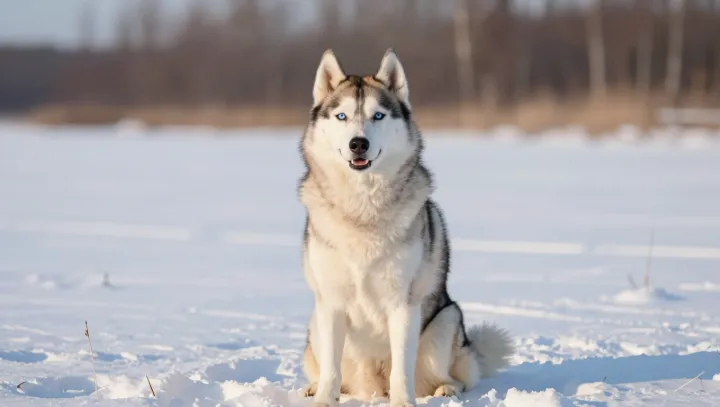
A Siberian Husky's coat is not a passport to perpetual winter. It is insulation. Its dense undercoat traps air close to the skin, slowing heat loss, while longer guard hairs help shield the dog from wind and moisture. That combination helped the breed work in Arctic conditions, but it does not confine the dog to them.
The coat's usefulness lies in its layers, not in an ability to manufacture cold. Trapped air reduces heat transfer between the skin and the surroundings, while seasonal shedding can leave the dog with a less dense undercoat during warmer periods. The guard hairs remain, offering some protection from sunlight. Less fur helps. Yet insulation cannot prevent overheating, especially when a dog exercises in humid weather or lacks shade and water. Dogs rely heavily on panting for evaporative cooling, a process that becomes less effective as humidity rises.
Good care matters more than a cold address. Huskies can live in temperate and even warm places when owners adjust exercise to cooler hours, provide water and shade, and watch for excessive panting, weakness or distress. Brushing helps remove loose undercoat; shaving is generally discouraged because the coat also protects the skin and may not grow back normally. Heat demands respect. A dog showing signs of heatstroke needs prompt cooling and veterinary attention. The Arctic coat is a remarkable barrier, but the air beyond it still sets the terms.