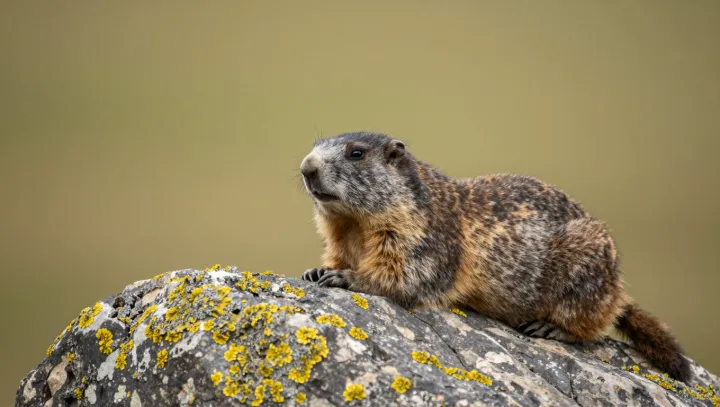
A marmot's scream is more than an internet punchline: it is a warning that can expose the caller while giving others time to escape. The sound carries. In widely shared videos, that piercing cry seems almost comic, but in a colony it can mark an encounter with danger.
The apparent sacrifice is less mysterious when family enters the picture. Many marmots live in social groups that include relatives, and an alarm can help nearby animals reach cover before a predator strikes. Kin selection describes how a behavior can spread when its benefits to relatives outweigh its costs to the individual, taking relatedness into account. Its currency is inclusive fitness: reproductive success gained both directly and through helping relatives reproduce. The caller need not calculate any of this. Natural selection can favor such behavior over generations.
Yet a whistle is not proof of pure selflessness. A caller might also benefit if the alarm startles a predator, warns it that it has been detected, or prompts others to move, making the caller less conspicuous. The balance of risk and reward depends on the situation, and an alarm does not always draw an attack. Online, the call is detached from the animal's surroundings and replayed for its uncanny sound. On a mountainside, it belongs to a more complicated exchange: one animal breaks the silence, and others may live because it did.